Math Lab
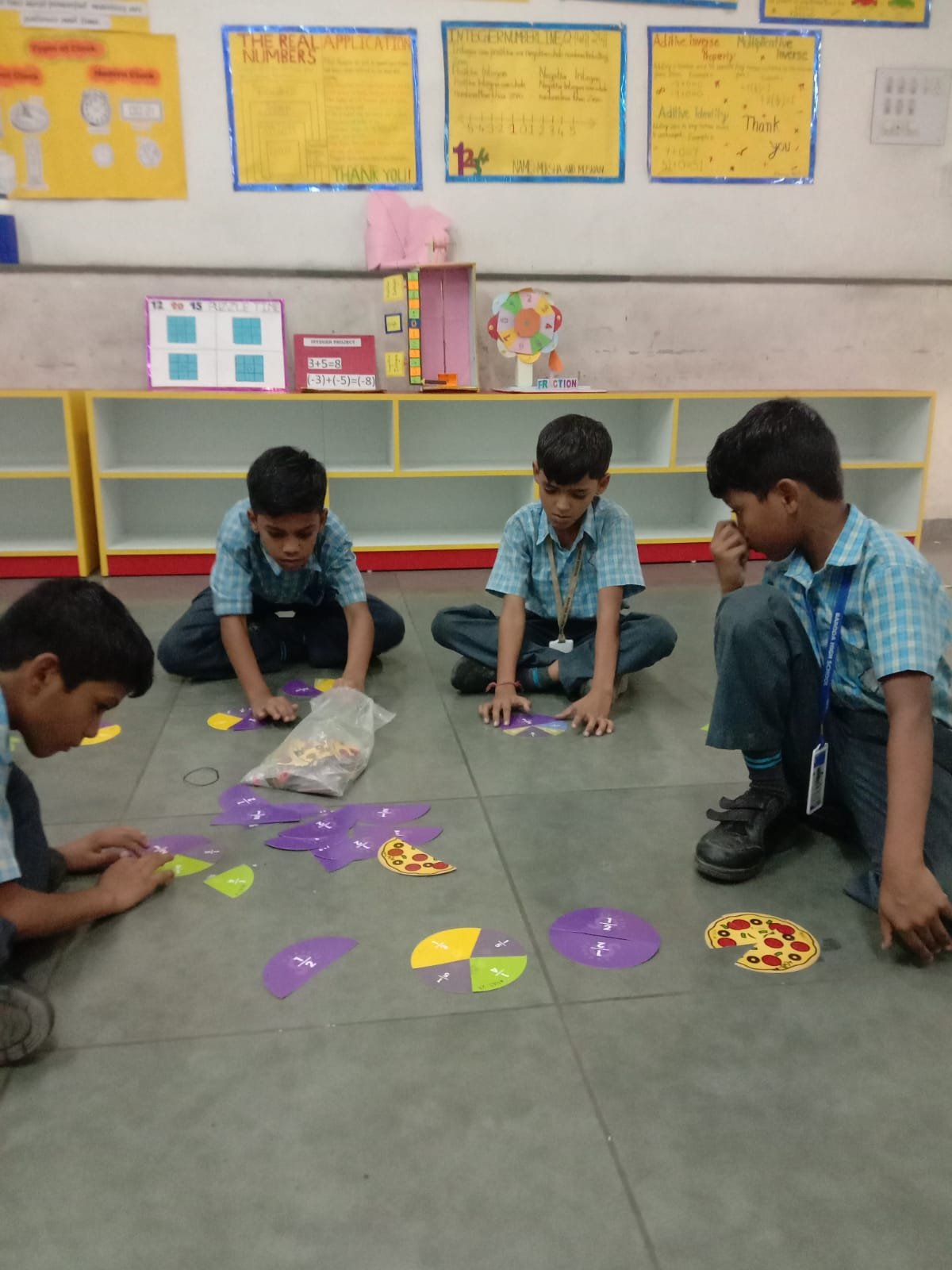
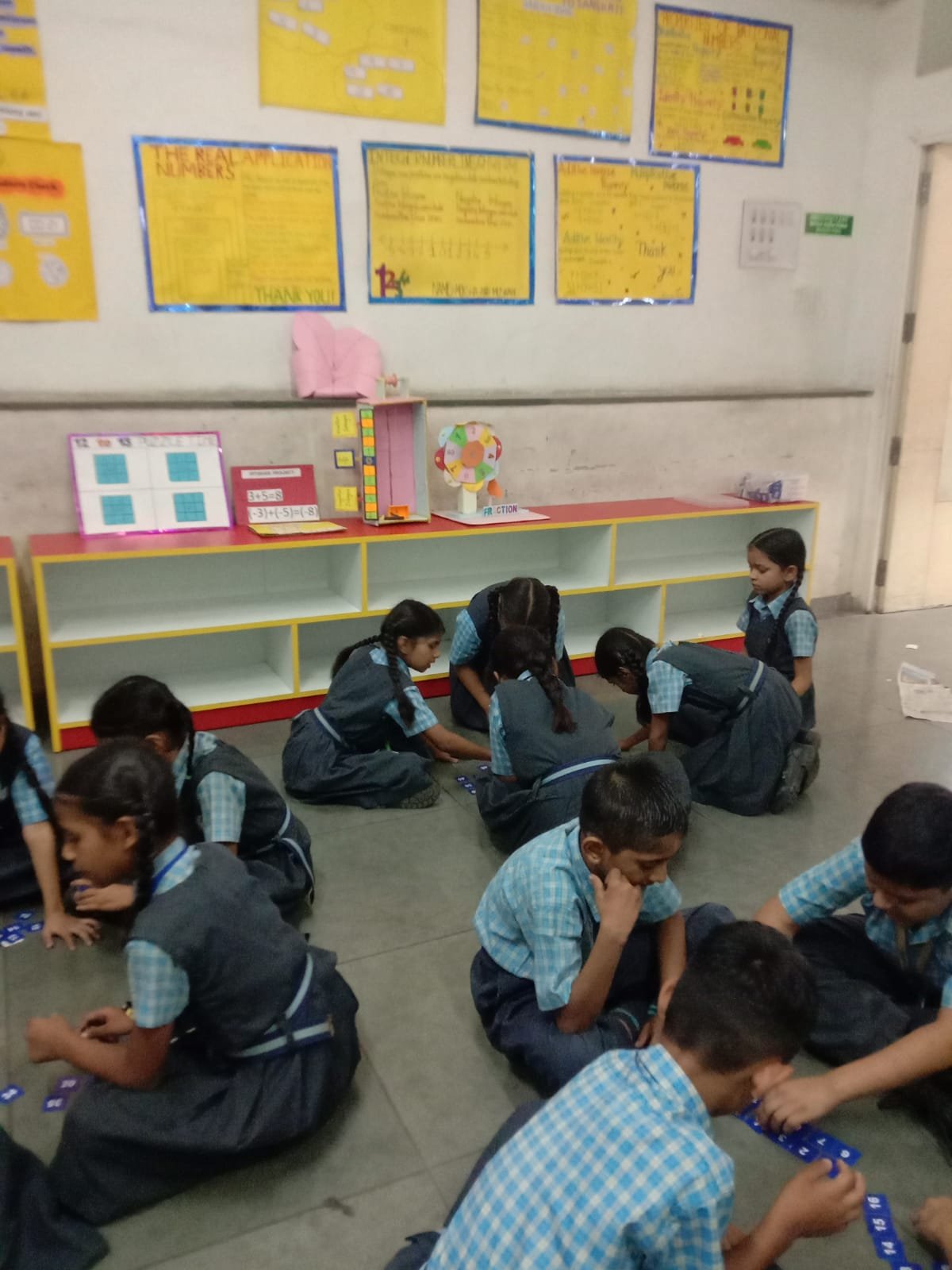
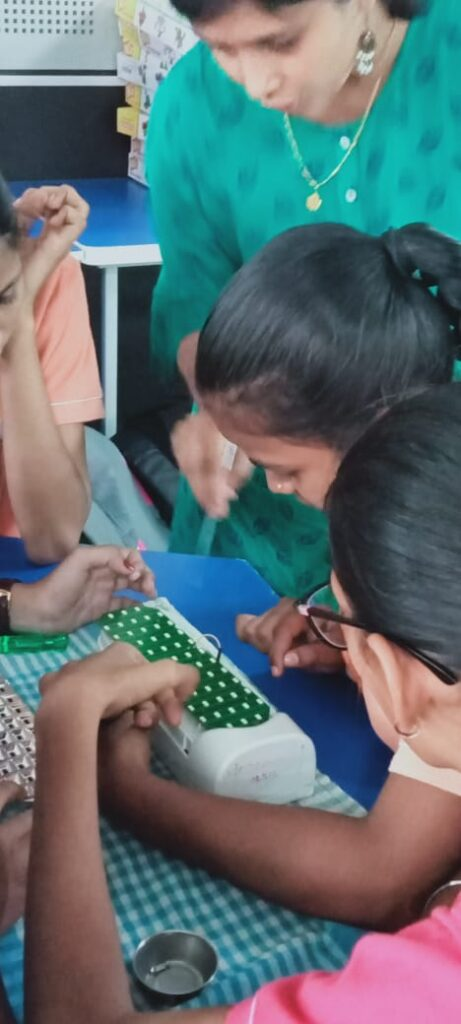
The Mathematics Lab provides students with an interactive and activity-based environment where mathematical concepts can be understood through practical experiences. It helps make mathematics more interesting, meaningful, and easier to understand.
Read More ↓MATHEMATICS LAB
Learning by Doing: Students explore mathematical concepts using hands-on activities and practical tasks.
Teaching Aids and Models: Geometrical models, charts, puzzles, measuring instruments, and other learning materials are used to explain concepts.
Conceptual Understanding: Abstract topics are explained through concrete examples and visual representations.
Geometry Activities: Students learn shapes, angles, symmetry, area, volume, and other concepts using models and constructions.
Mathematical Puzzles and Games: Logical puzzles and games develop reasoning, problem-solving, and analytical thinking.
Activity-Based Learning: Students work individually or in groups to investigate mathematical patterns and relationships.
Real-Life Applications: Mathematical concepts are connected with everyday situations to help students understand their practical importance.
Use of Technology: Digital resources and interactive tools can be incorporated to enhance mathematical learning.
Encouraging Curiosity: Students are encouraged to ask questions, explore different methods, and discover mathematical relationships independently.
Skill Development: The lab promotes logical reasoning, creativity, accuracy, observation, and critical thinking.
Overall: The Mathematics Lab transforms mathematics from a textbook-based subject into an engaging, practical, and enjoyable learning experience.
ATL Lab
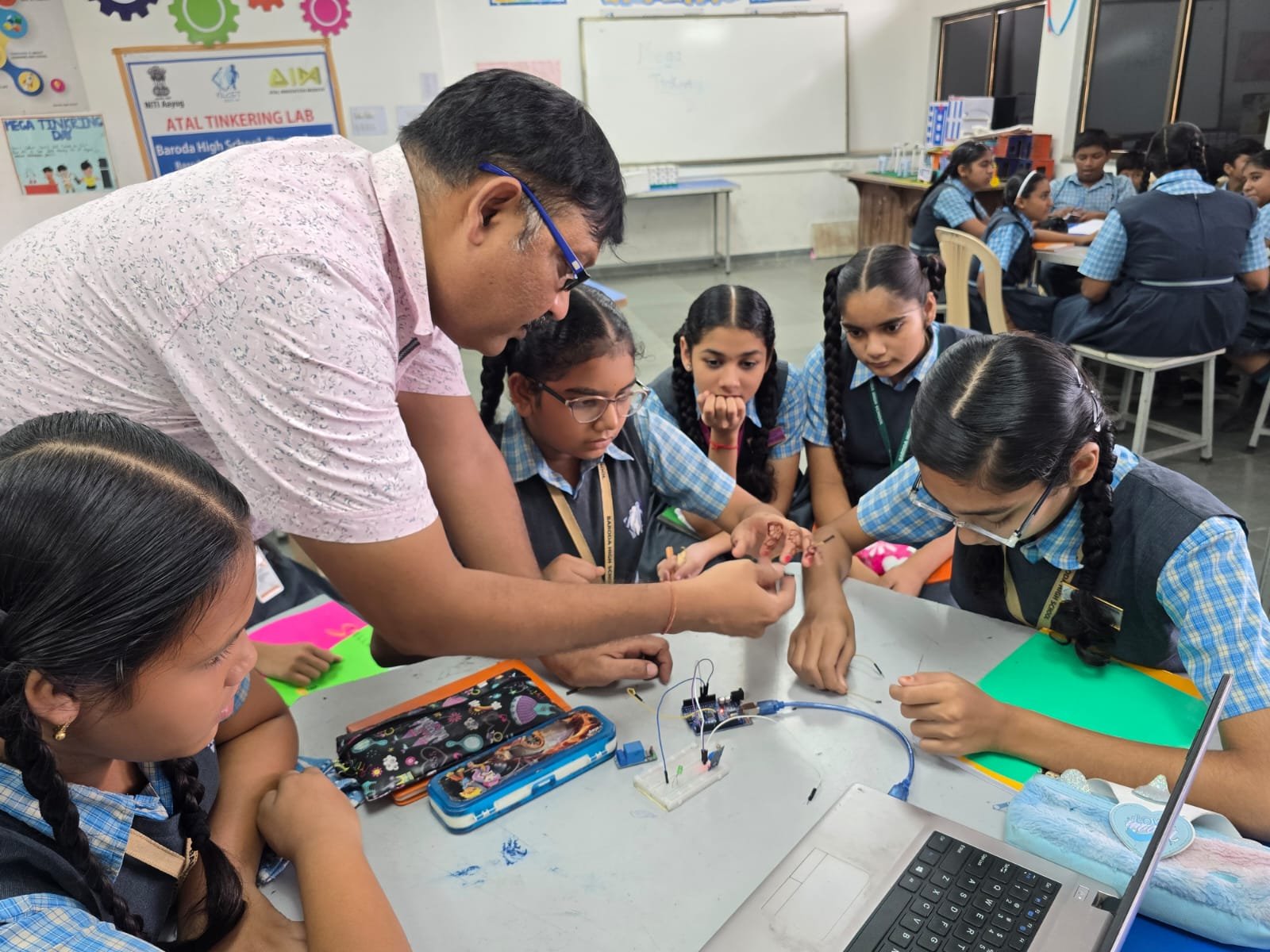
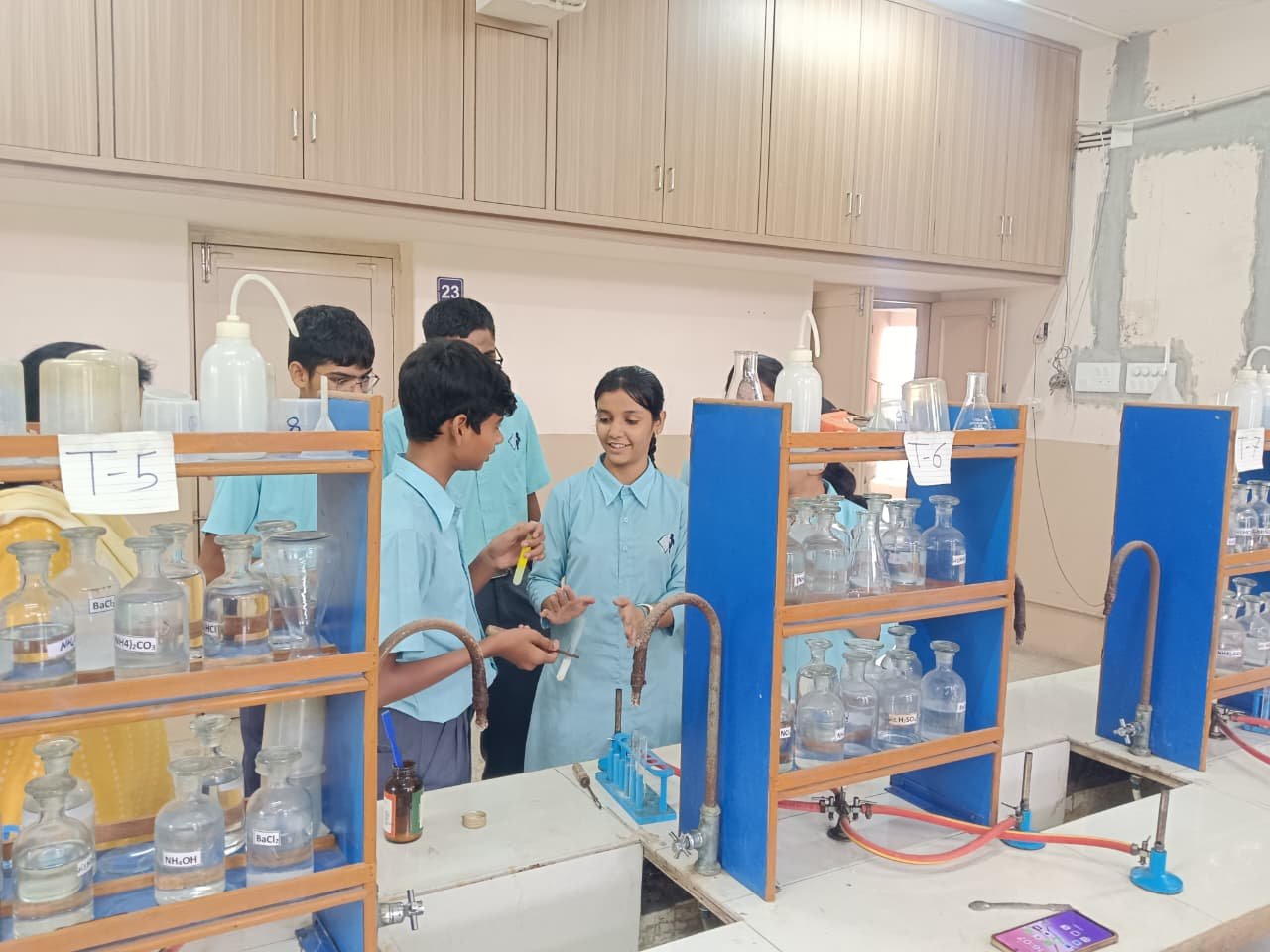
The learning process does not remain restricted only to the classrooms; it is further synergised by ‘hands-on’ experience in the well-equipped labs. These labs provide requisite hands-on experience which is the heart of teaching science.
Read More ↓SCIENCE LABS & ATAL TINKERING LABORATORY
The learning process does not remain restricted only to the classrooms; it is further synergised by ‘hands-on’ experience in the well-equipped labs. These labs provide requisite hands-on experience which is the heart of teaching science. Science teachers plan various demonstrations and experiments to ignite the curiosity and inculcate a scientific temperament in the students.
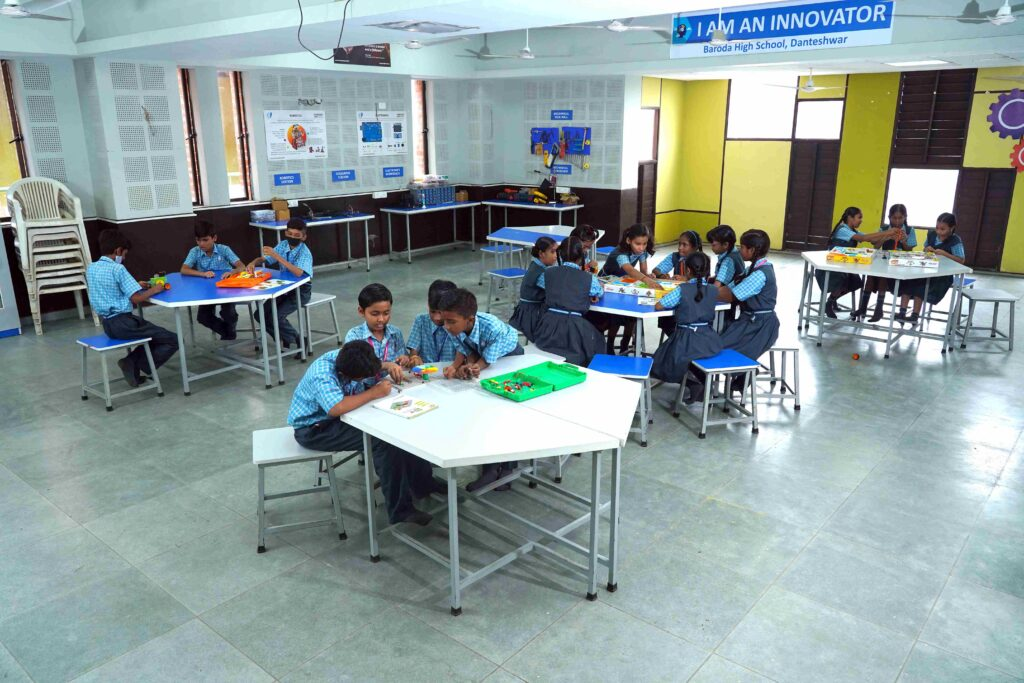
The school feels proud that it has been selected by Niti Aayog, Govt. of India to establish ‘Atal Tinkering Laboratory’ under the Atal Innovation Mission.
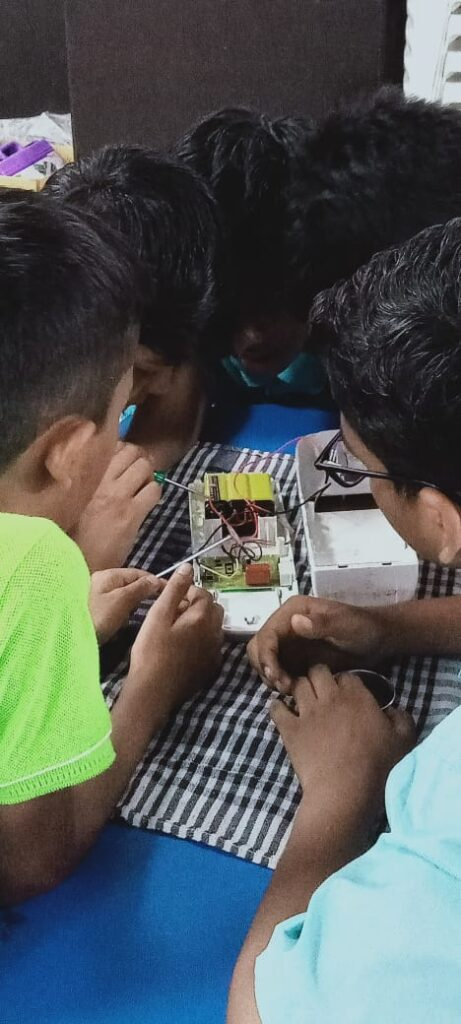
ATL fosters curiosity, creativity and imagination in young minds. The lab activities are designed to spur the spark of creativity, and go beyond regular curriculum and text book learning. Young children get a chance to work with tools and equipment to understand the concepts of STEM (Science, Technology, Engineering and Math).
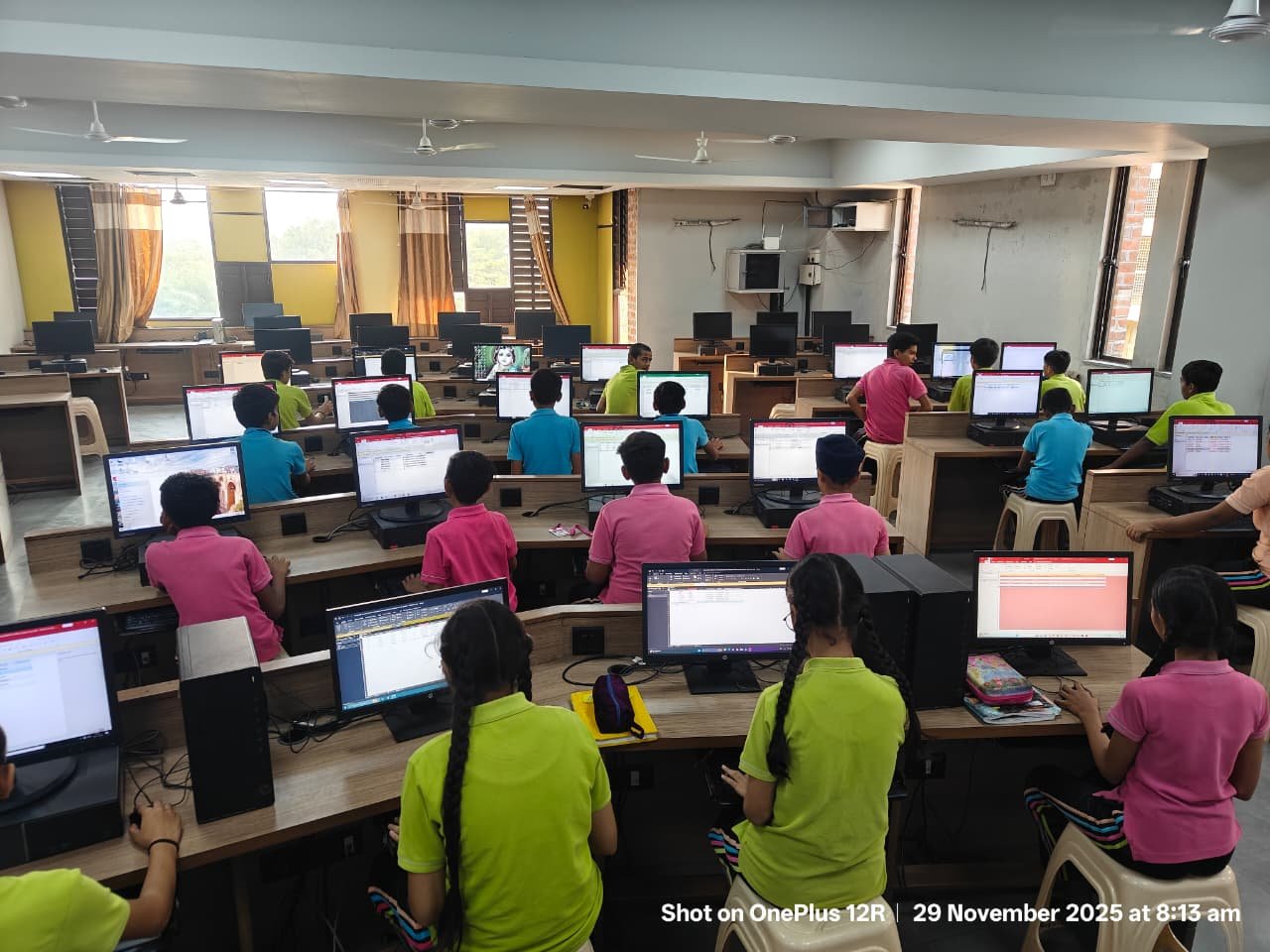
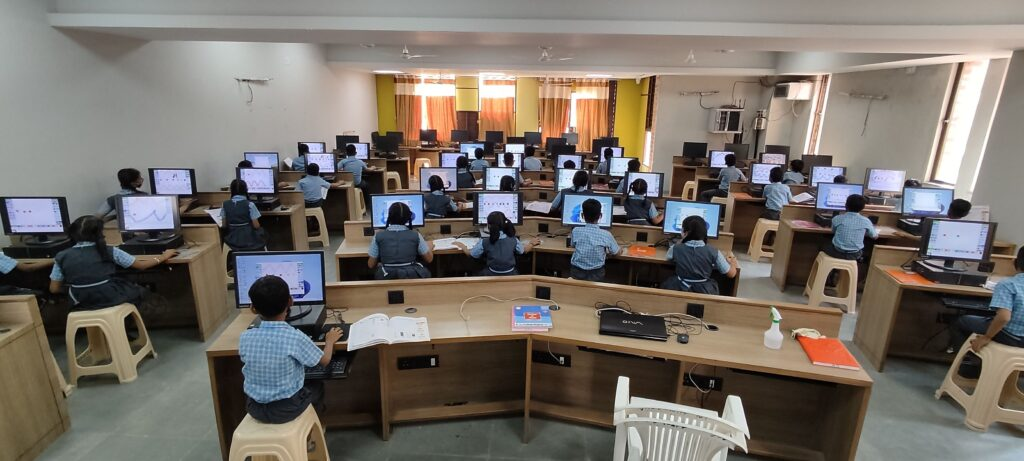
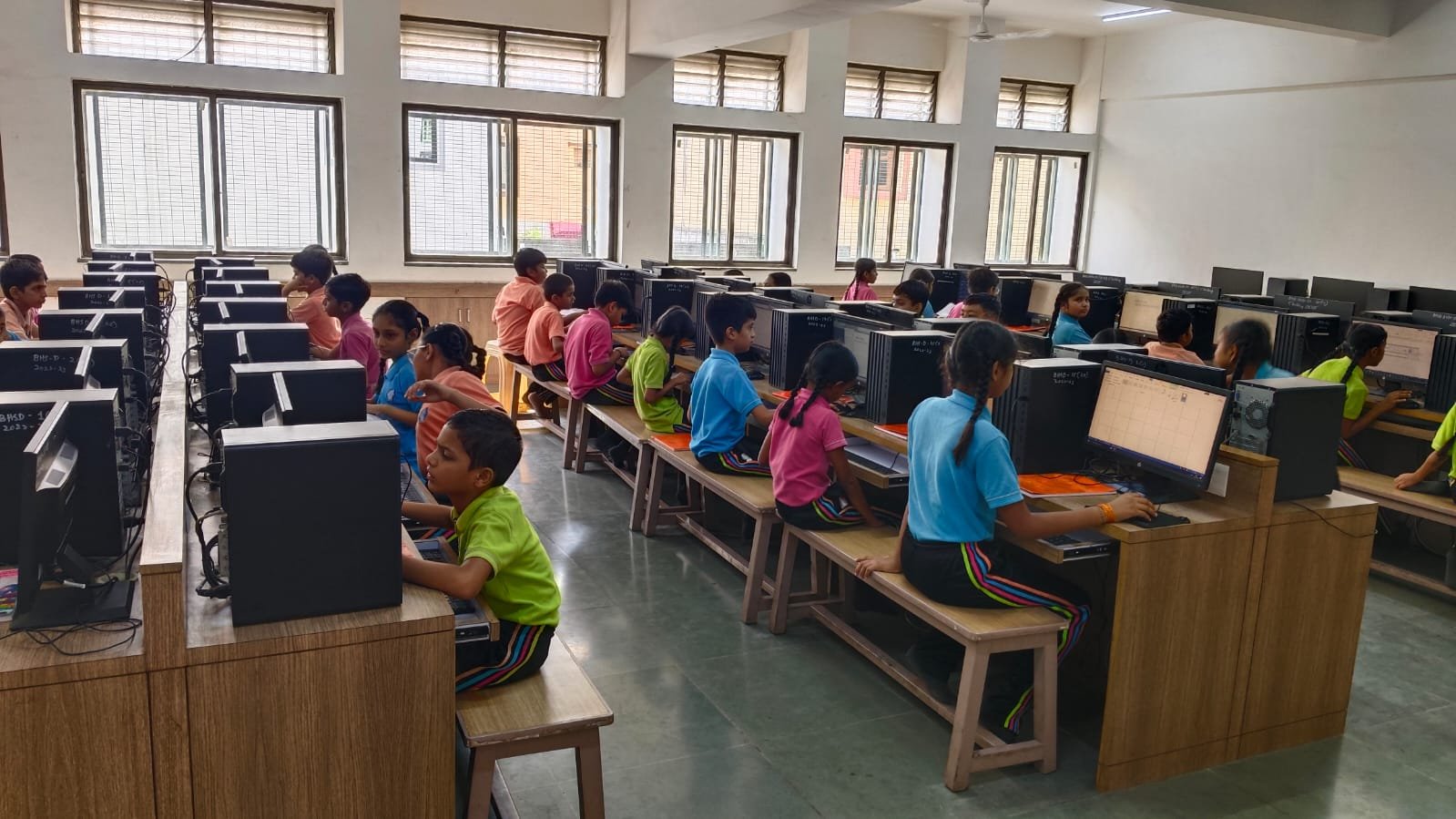
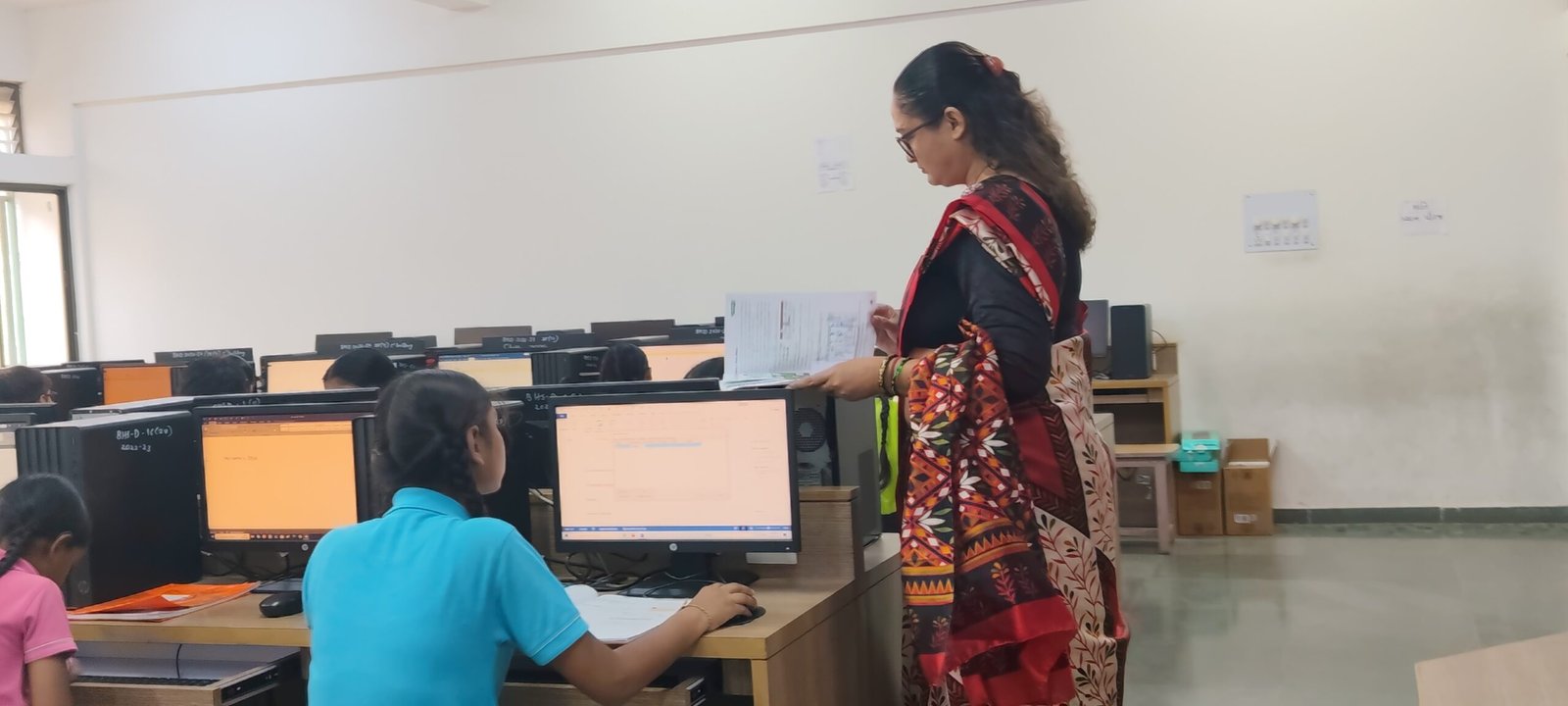
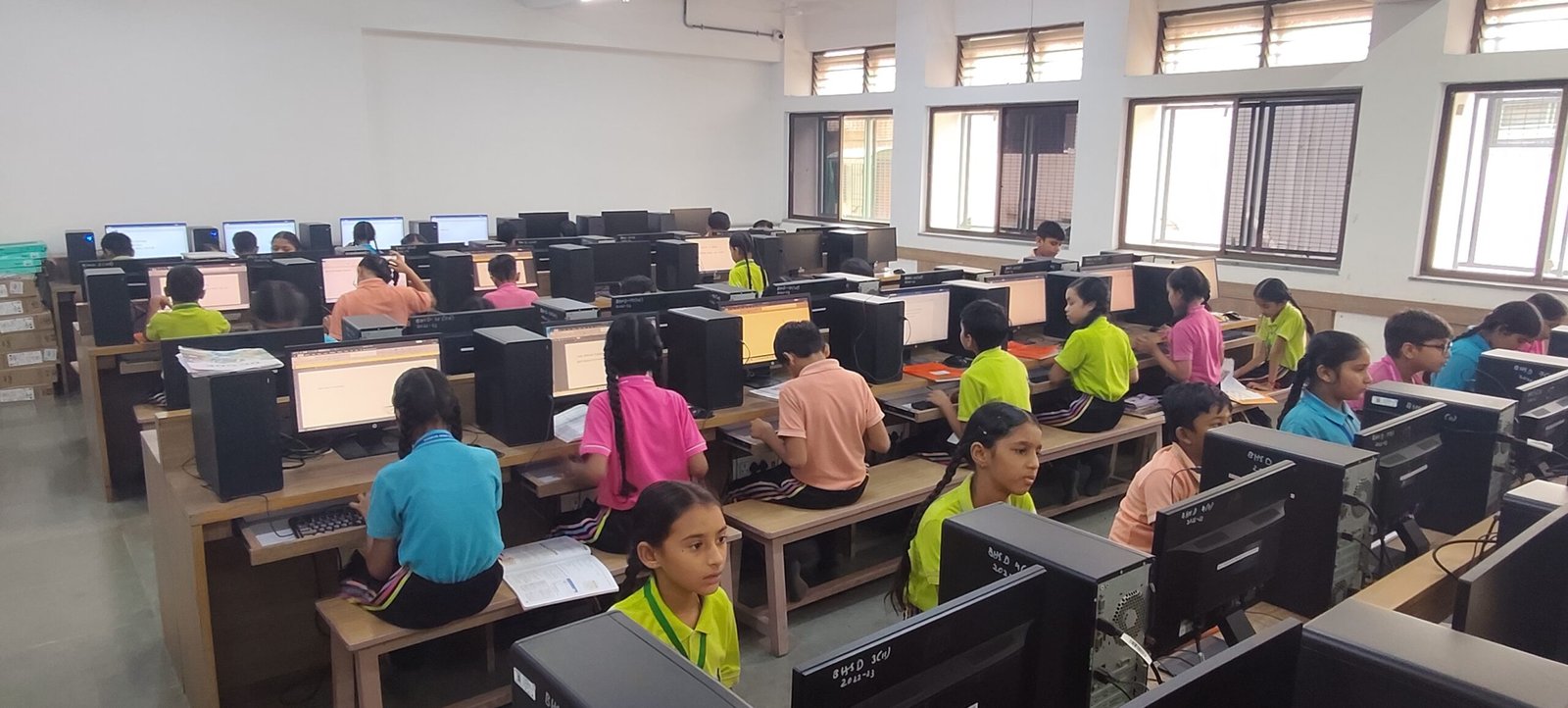
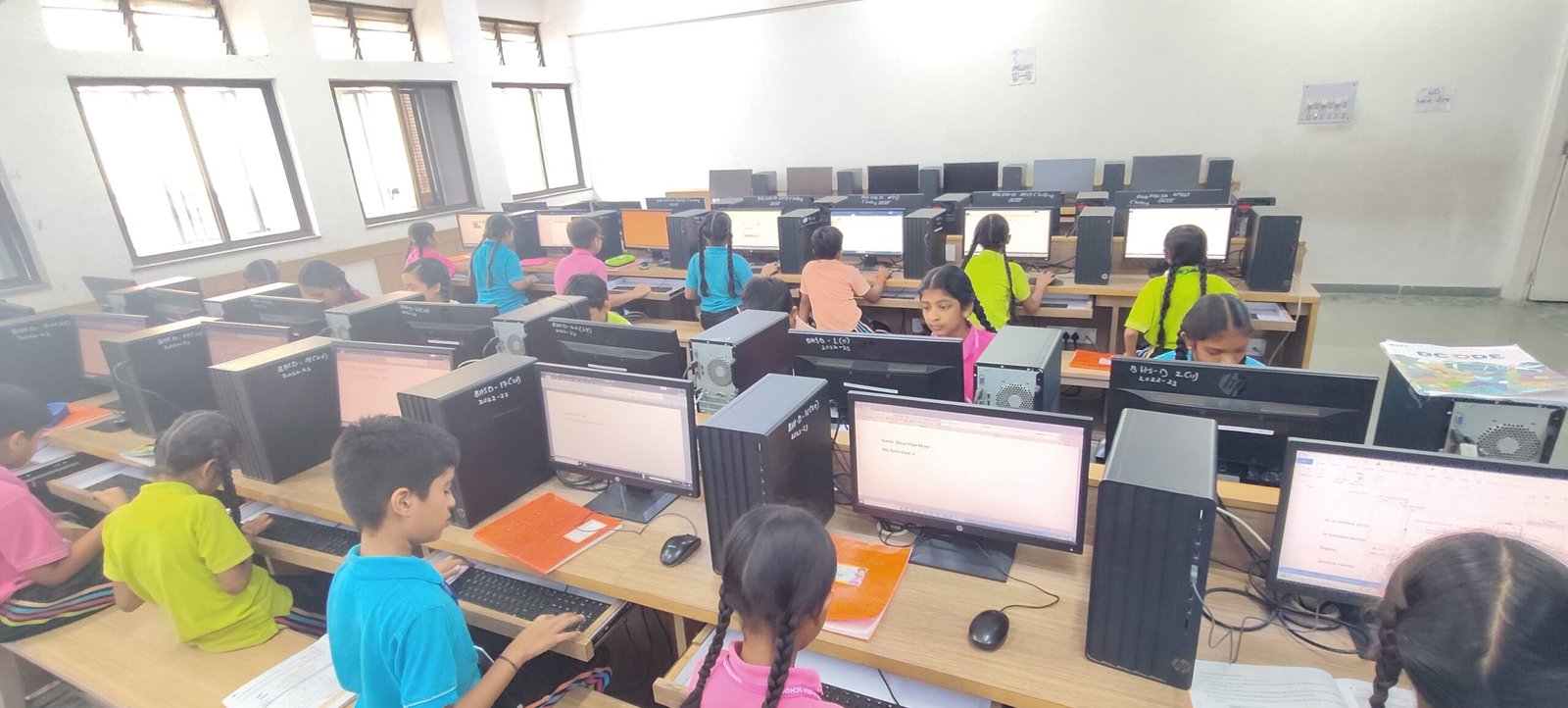
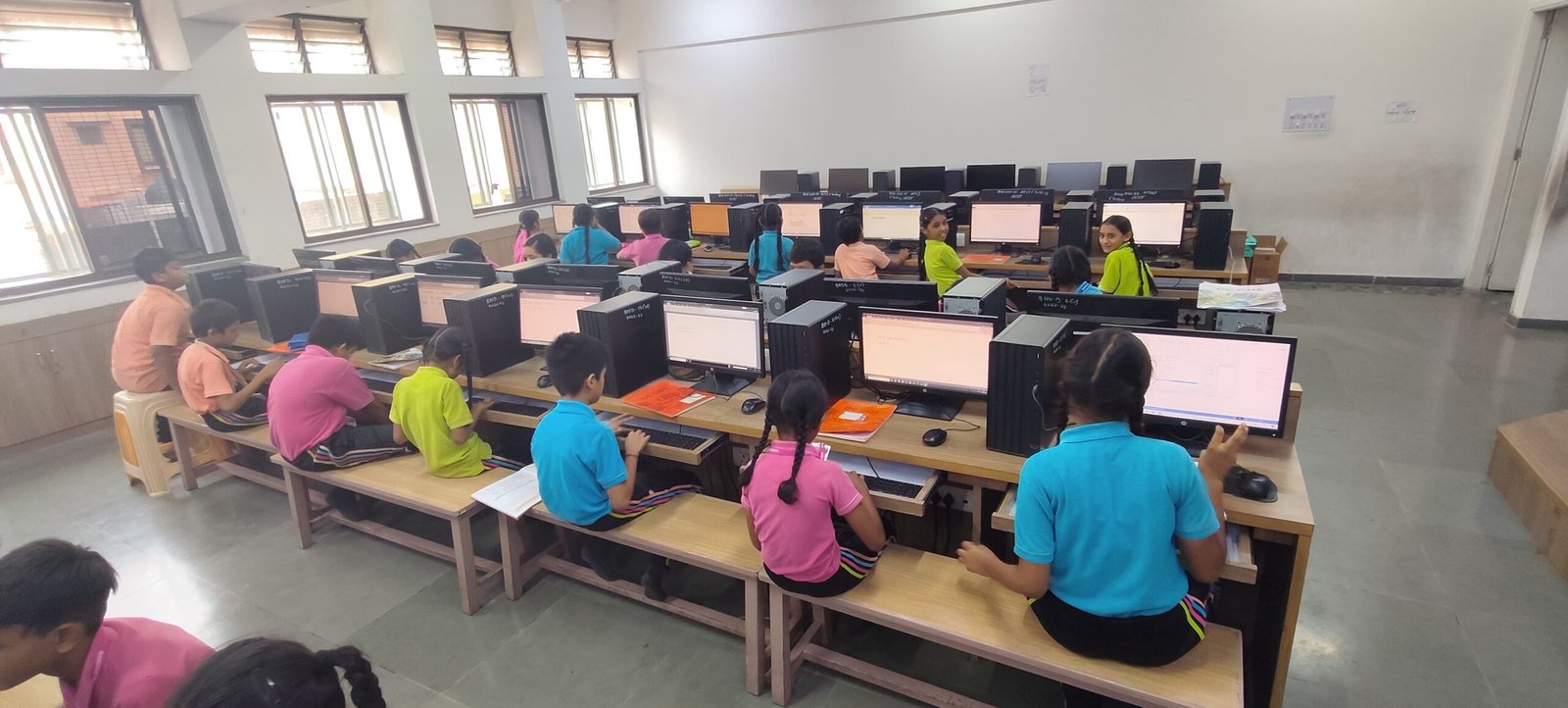
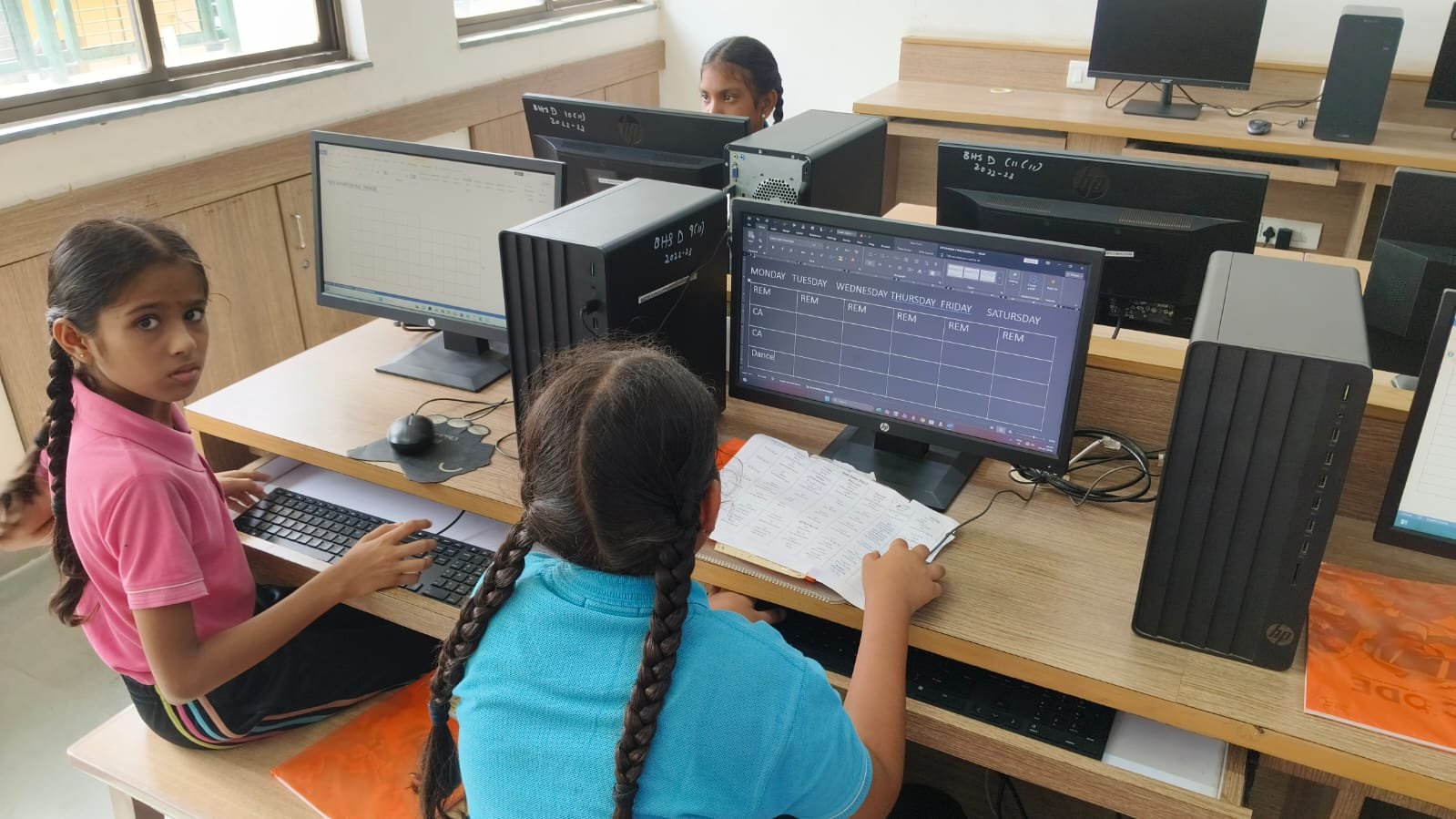
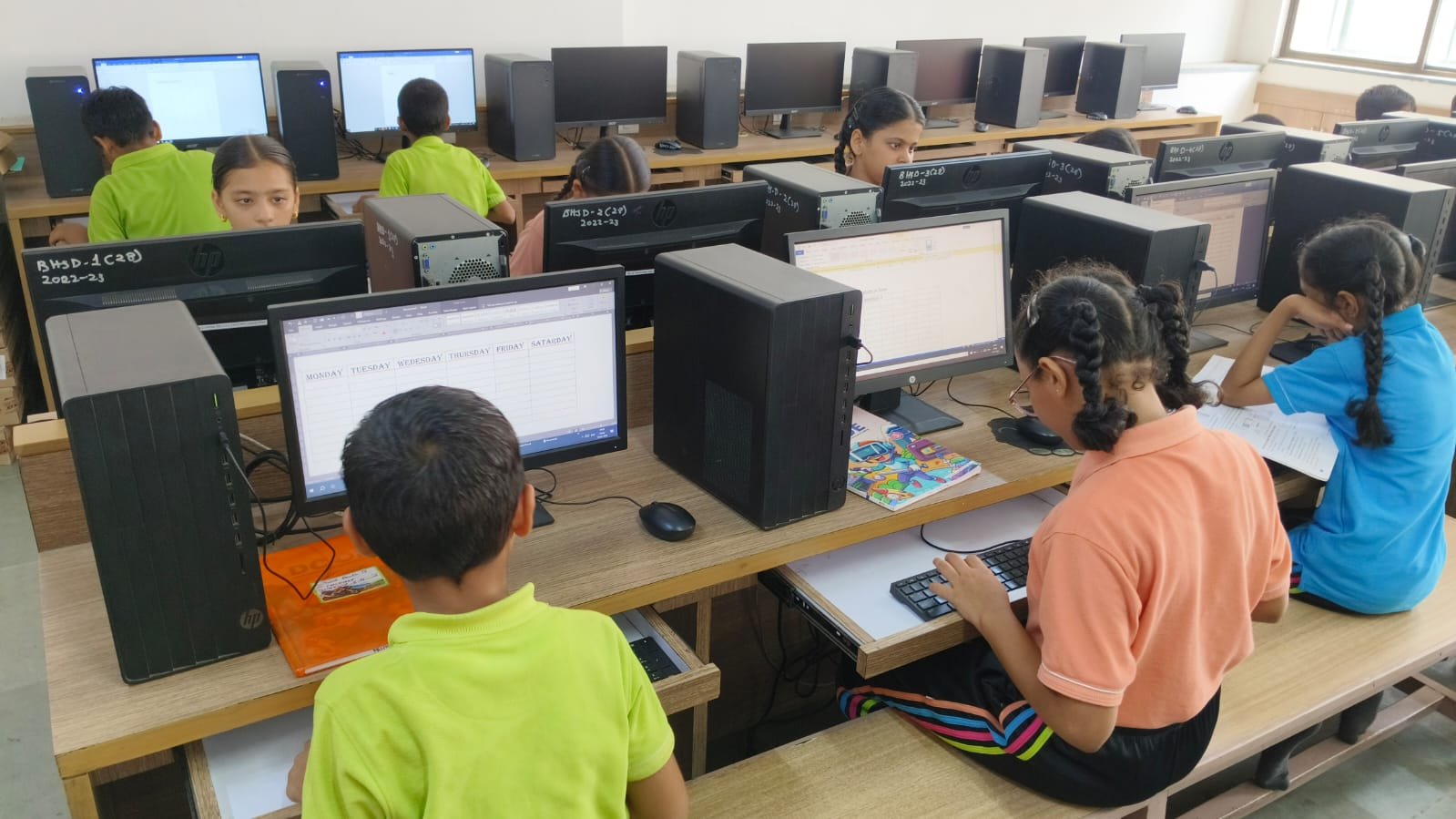
In sync with the modern digital world of today the school has two well-furnished computer cum IT labs. Computers of the latest configuration and Multimedia facilities aid the computer training and education that are a part of the school syllabus right from the Foundational Stage. Latest software and net connectivity is available for ready use of students and teachers.
Library
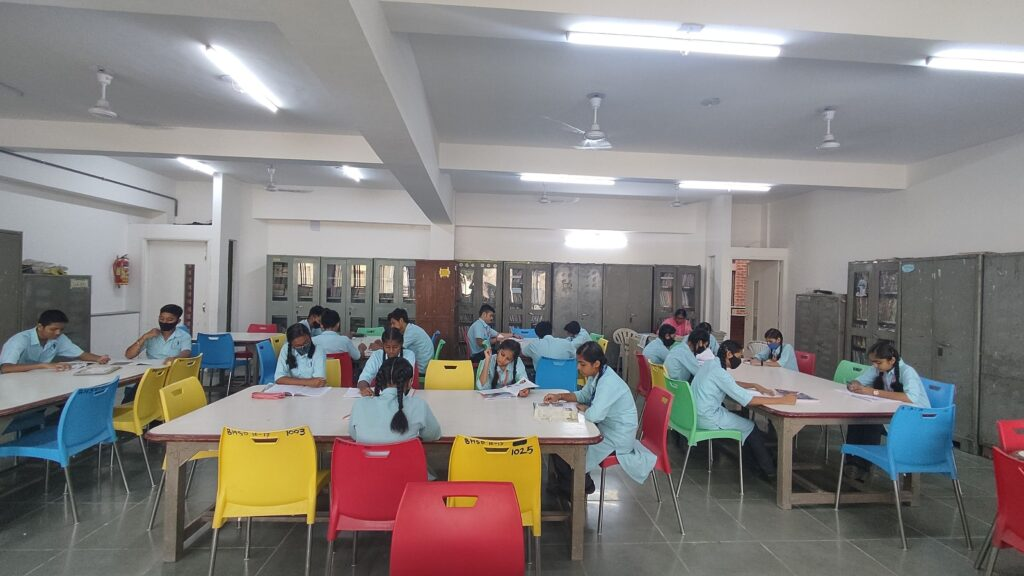
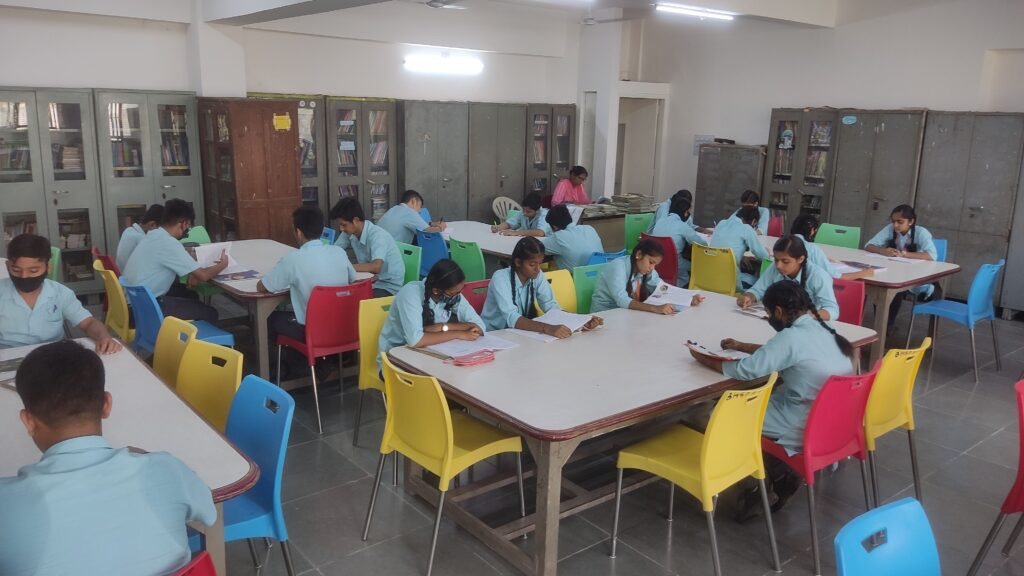
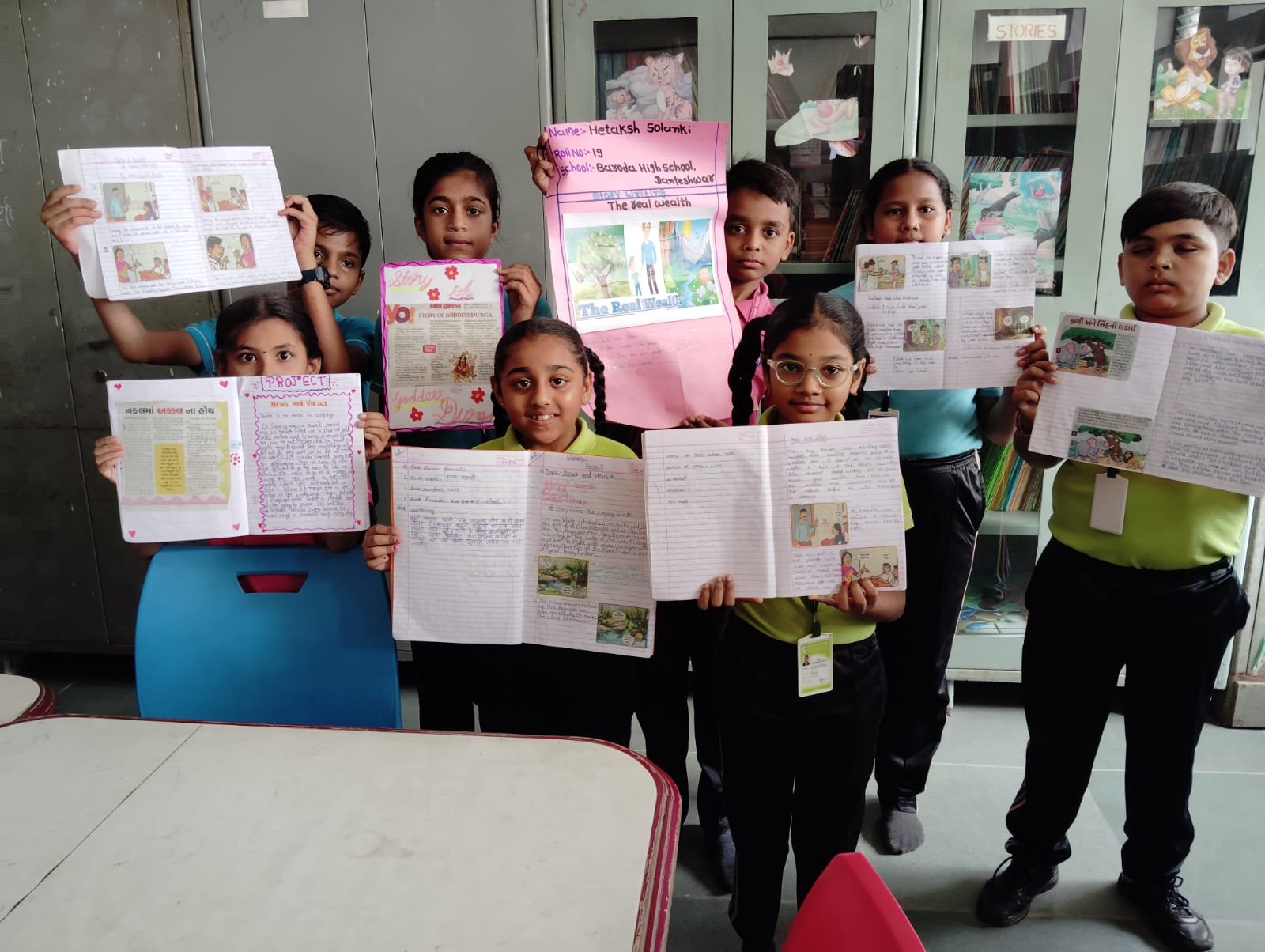
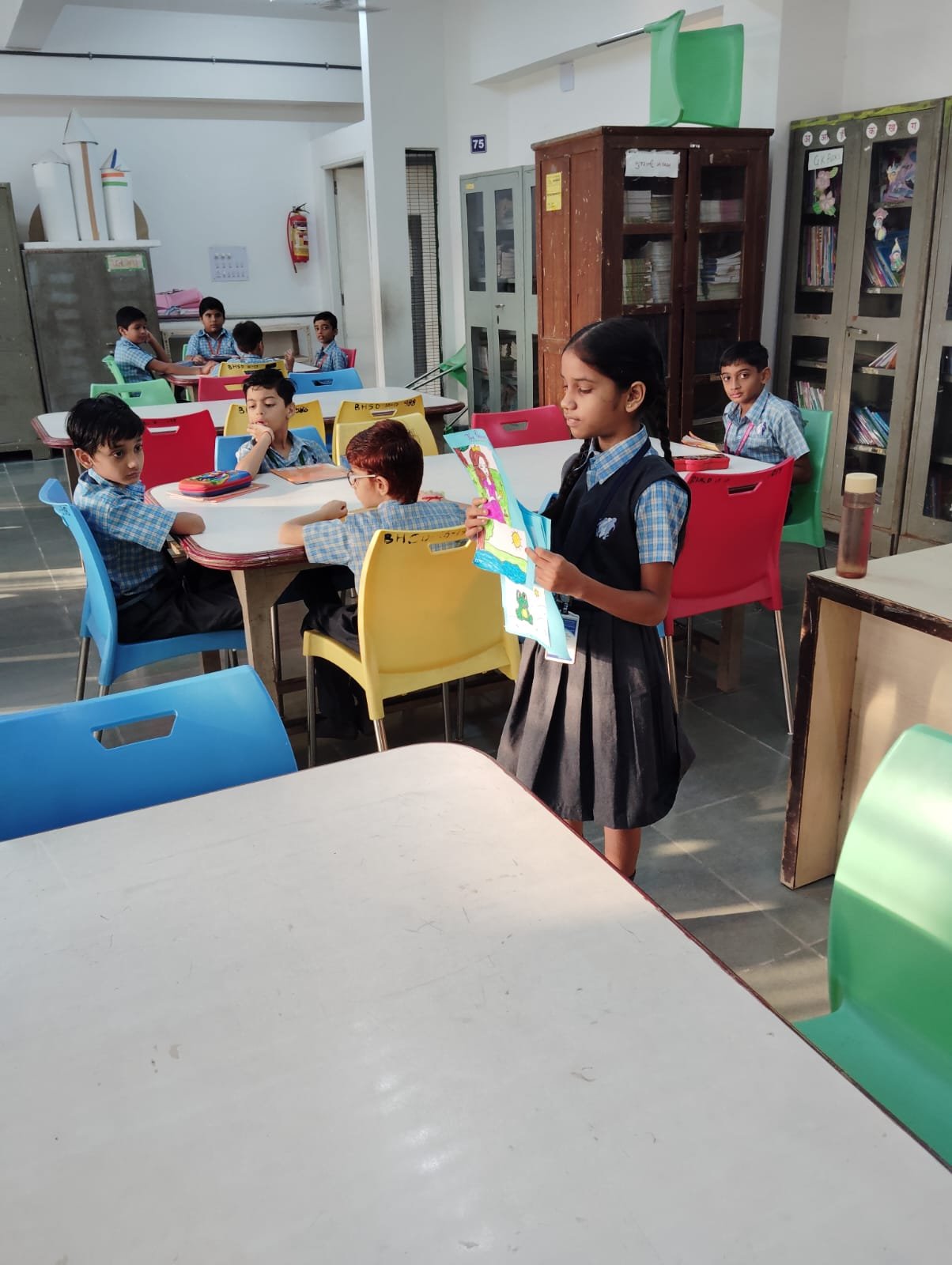
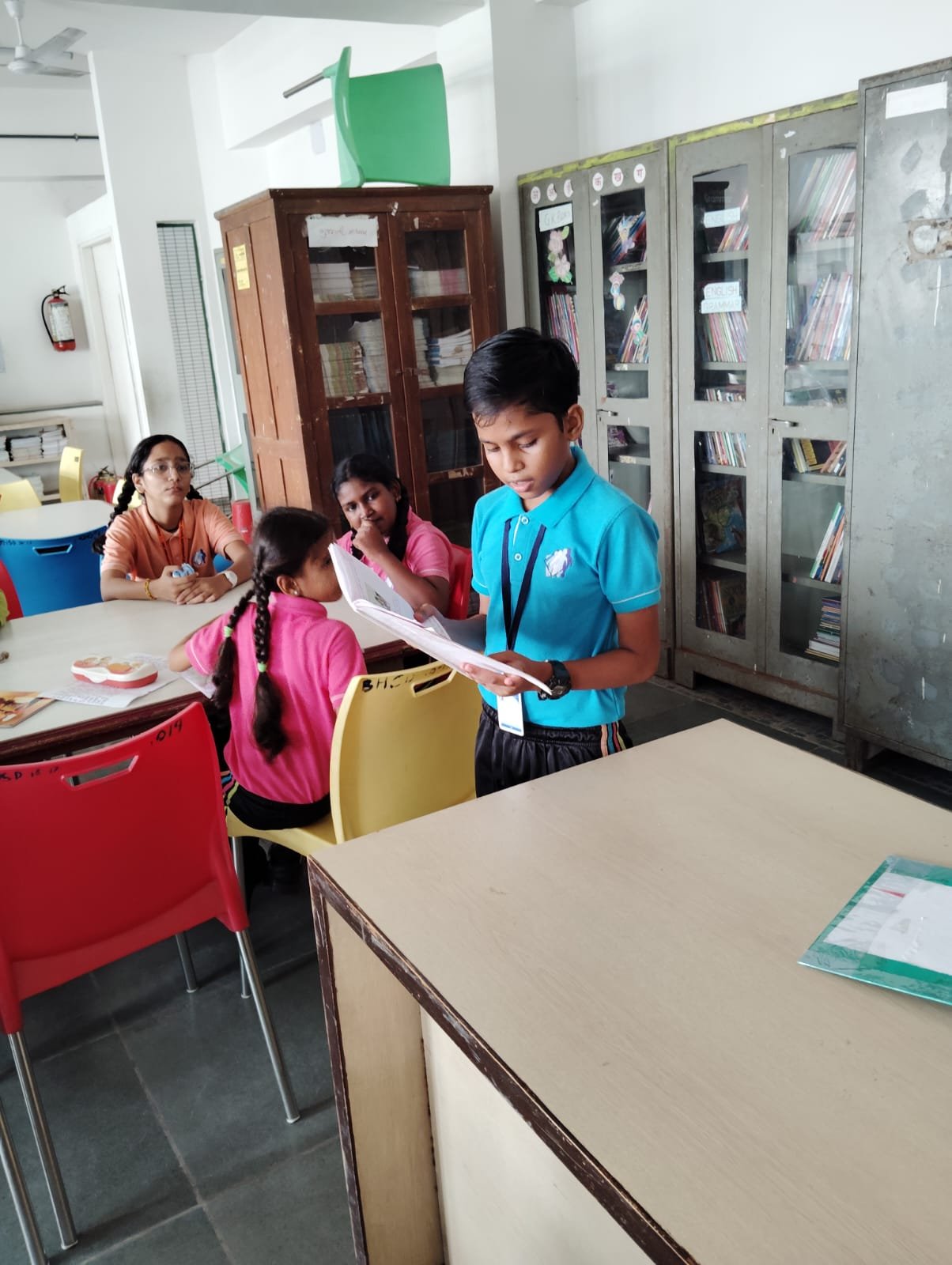
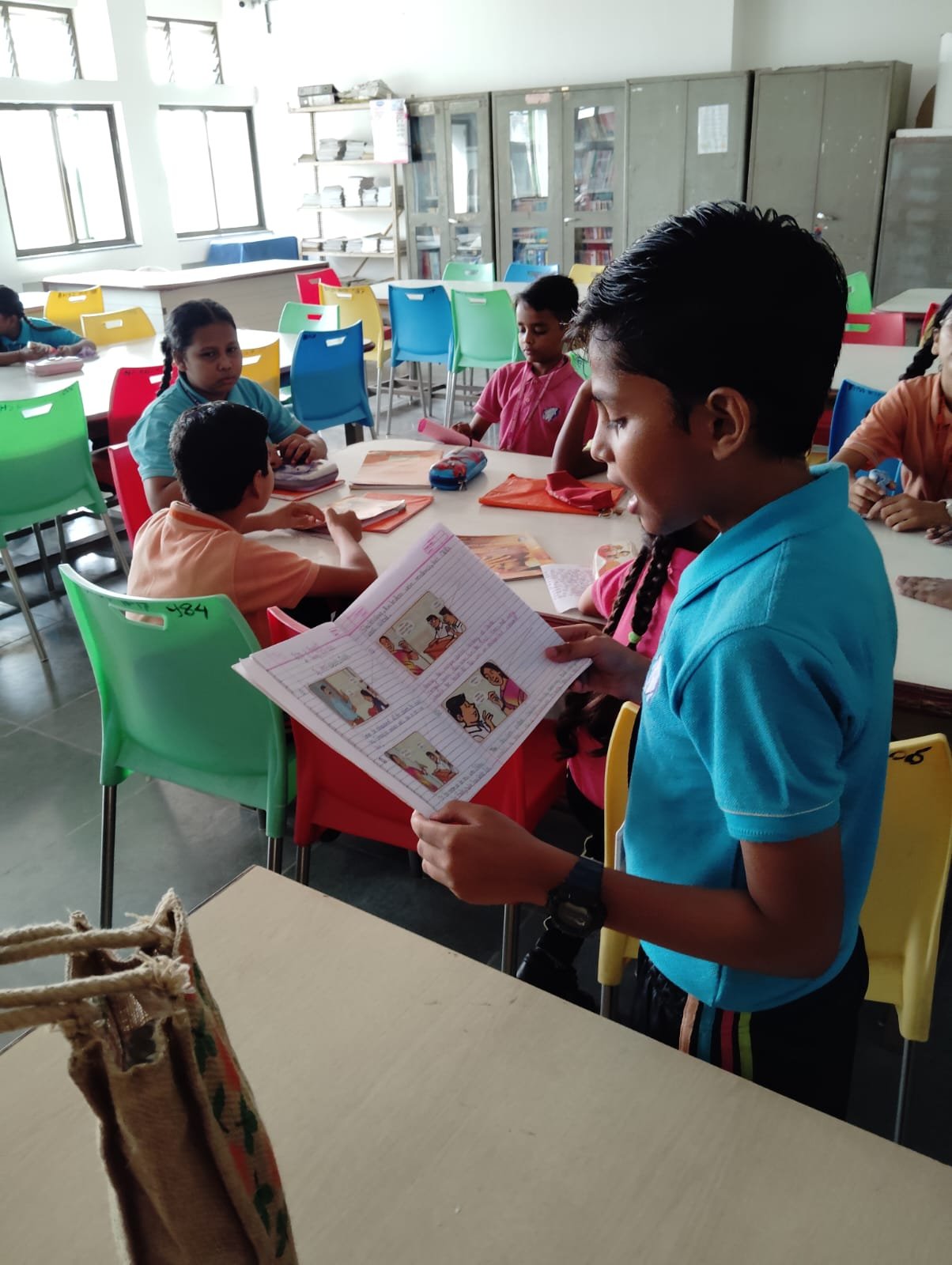
The school library is an important academic resource that supports students' learning, reading habits, research skills, and overall intellectual development. It provides a quiet and welcoming environment where students can read, explore new subjects, and develop a lifelong interest in books and knowledge.
Read More ↓SCHOOL LIBRARY
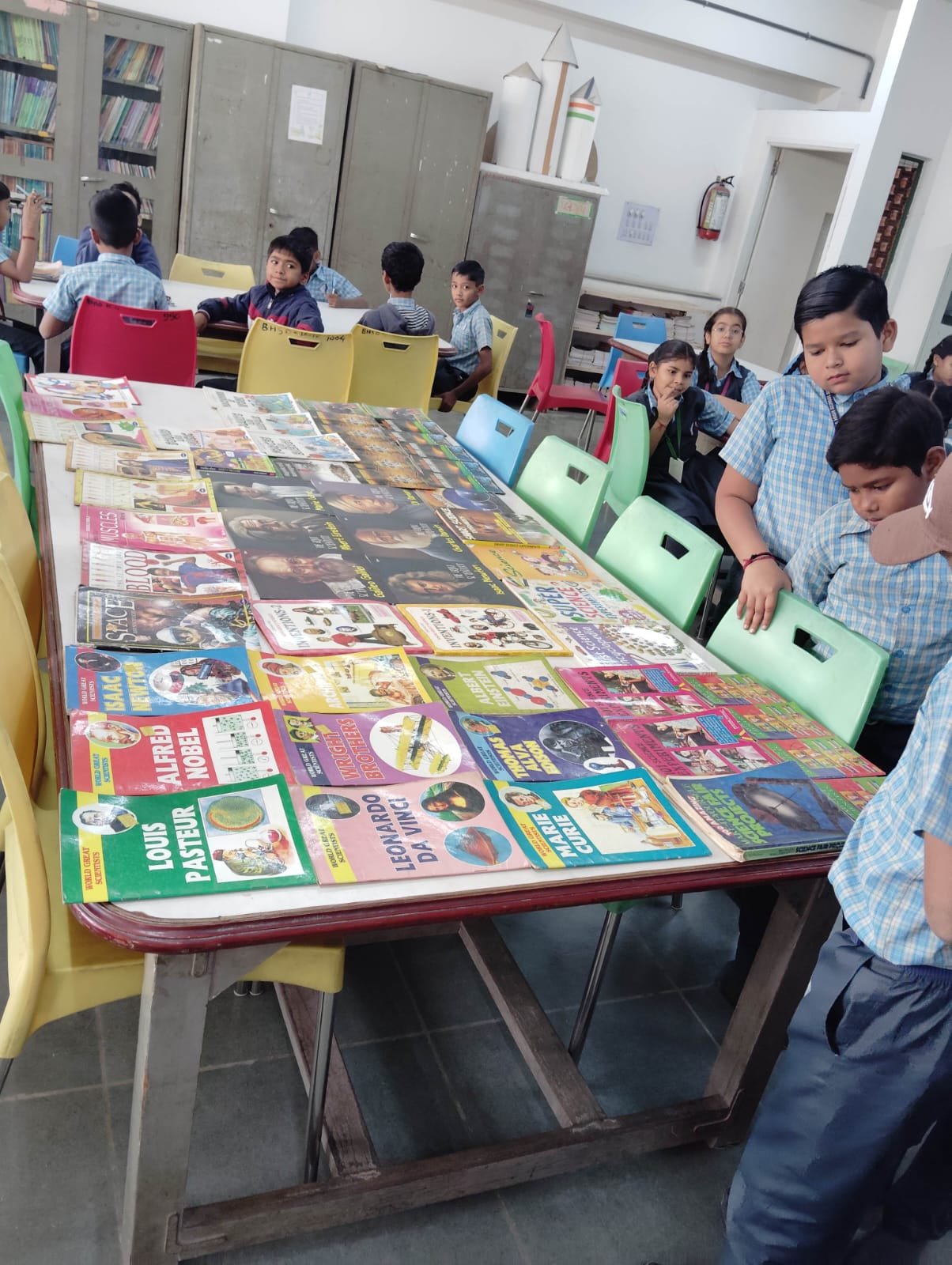
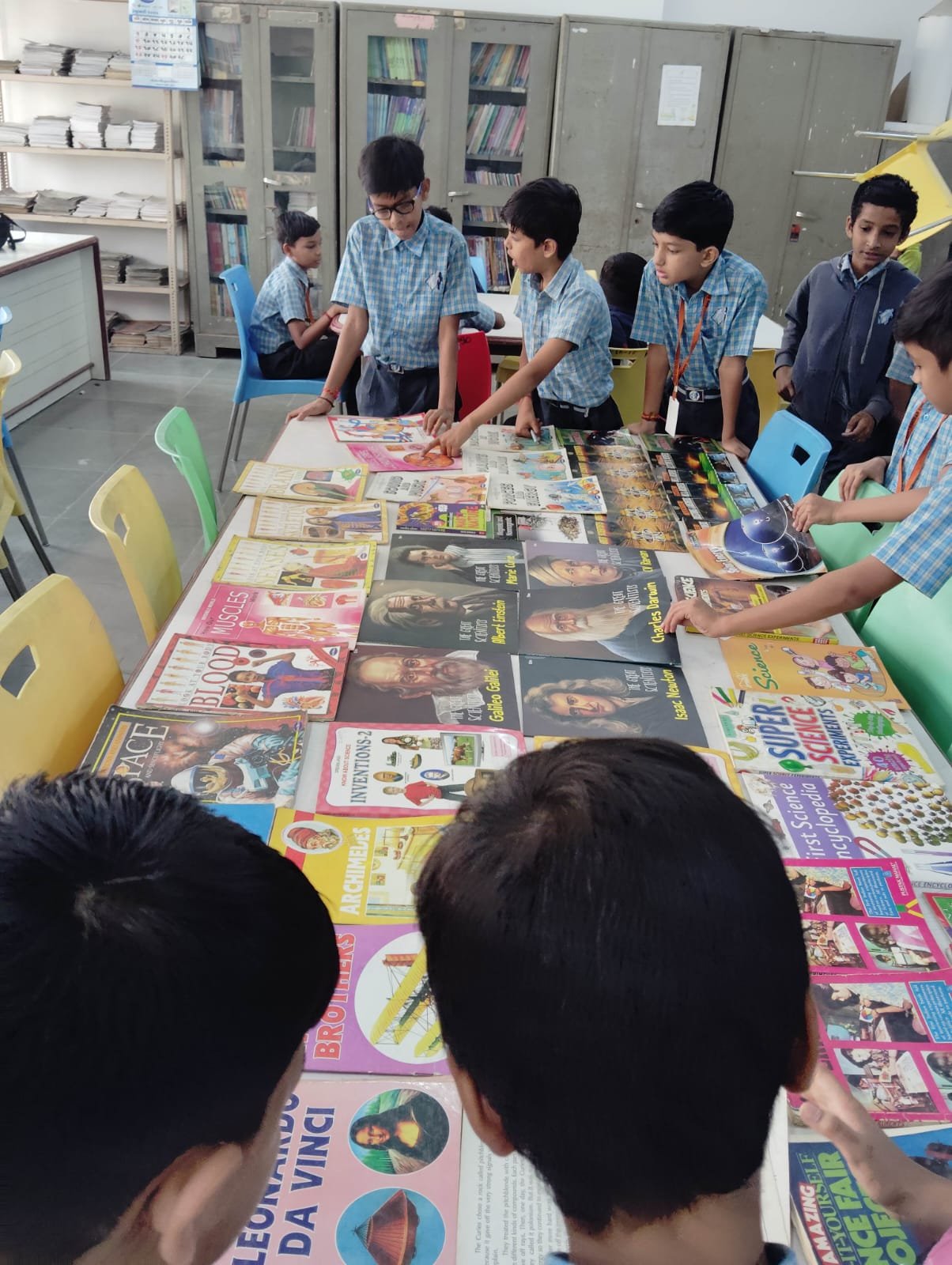
The school library is an important academic resource that supports students' learning, reading habits, research skills, and overall intellectual development. It provides a quiet and welcoming environment where students can read, explore new subjects, and develop a lifelong interest in books and knowledge.
Well-Organised Collection: The library provides textbooks, reference books, storybooks, biographies, encyclopedias, dictionaries, magazines, and other age-appropriate reading materials.
Reading Habit: Students are encouraged to read regularly to improve vocabulary, comprehension, communication, and general knowledge.
Reference Support: Reference materials help students with projects, assignments, subject-related research, and additional learning.
Grade-Wise Resources: Reading materials are selected according to students' age, grade, interests, and academic requirements.
Library Periods: Regular library periods provide students with dedicated time for reading and book selection.
Reading Activities: Storytelling, book reviews, reading competitions, quizzes, and other literary activities can be organised to encourage active participation.
Digital Resources: Where available, digital learning resources and educational content can supplement the physical collection.
Quiet Learning Environment: The library provides a disciplined and peaceful space for independent study and reading.
Teacher Guidance: Teachers and library staff guide students in selecting suitable books and developing effective reading and research habits.
Record Management: Proper records of books, issue and return, and library resources are maintained systematically.
Overall, the school library functions as a centre for knowledge, reading, independent learning, and research, helping students become confident, curious, and lifelong learners.
Computer Lab
Well-equipped with the latest systems, high-speed internet and licensed software. Students learn coding, digital literacy and computer applications MS Office, Scratch Jr., 3.0, GIMP, Python from Std 1 to 8.
Music Room
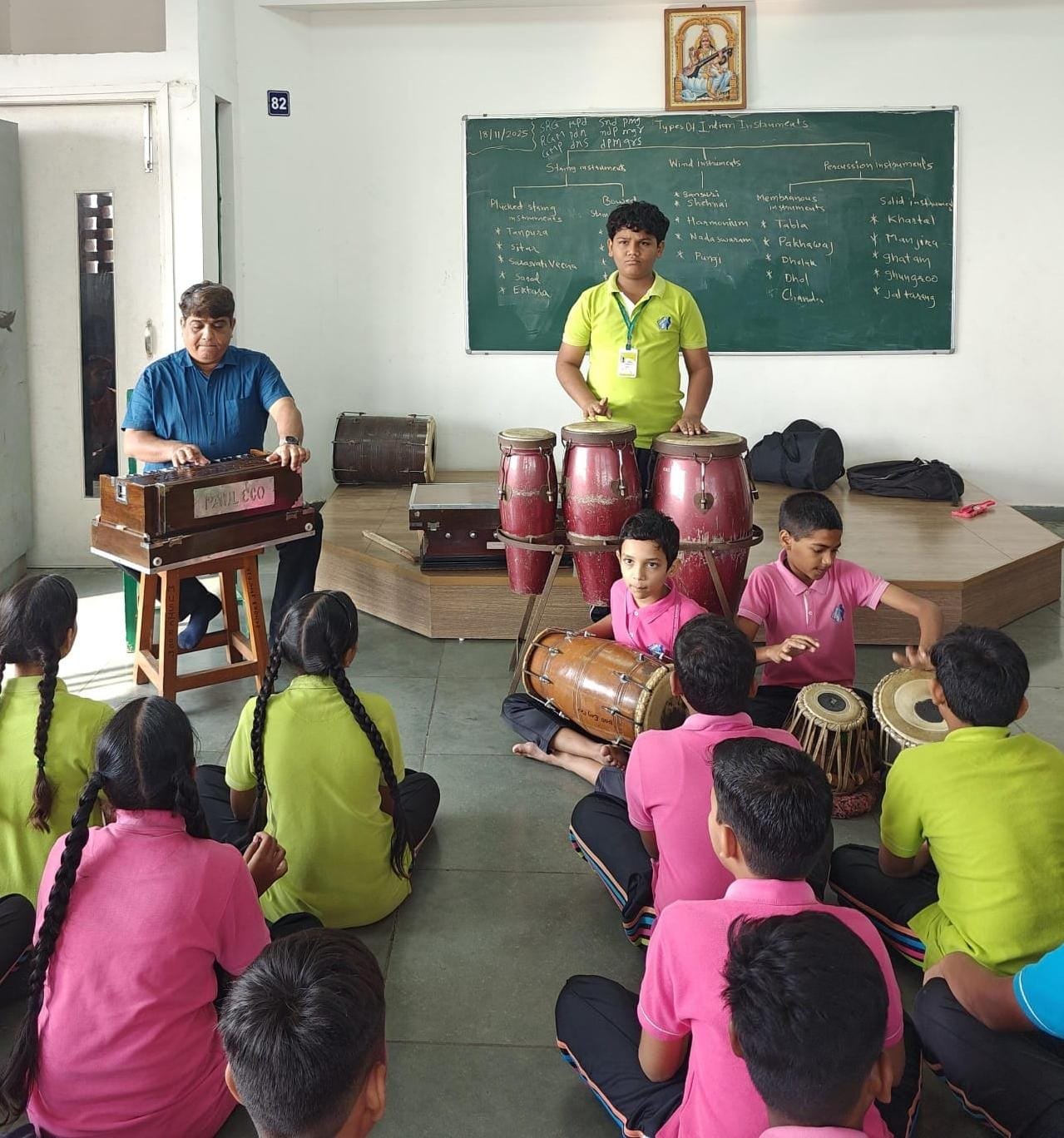
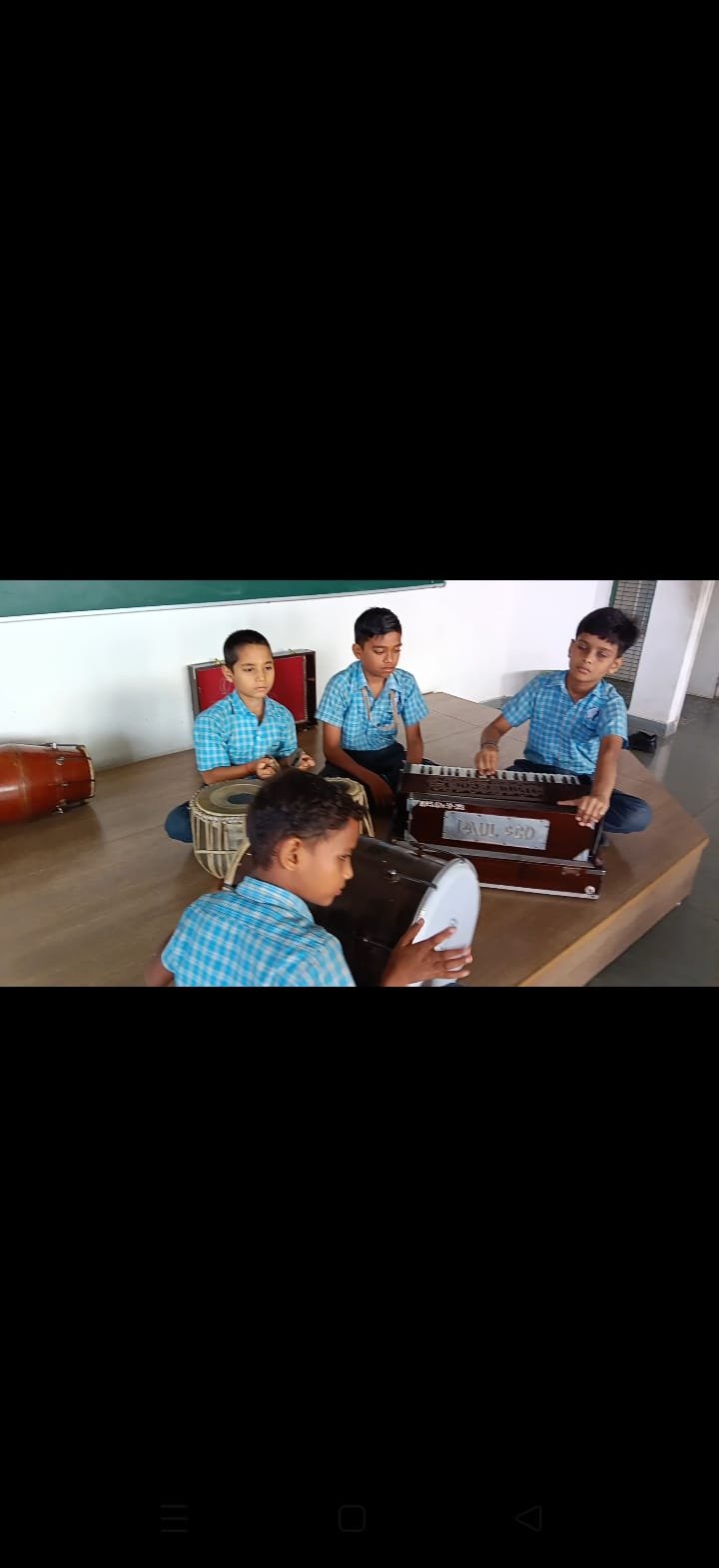
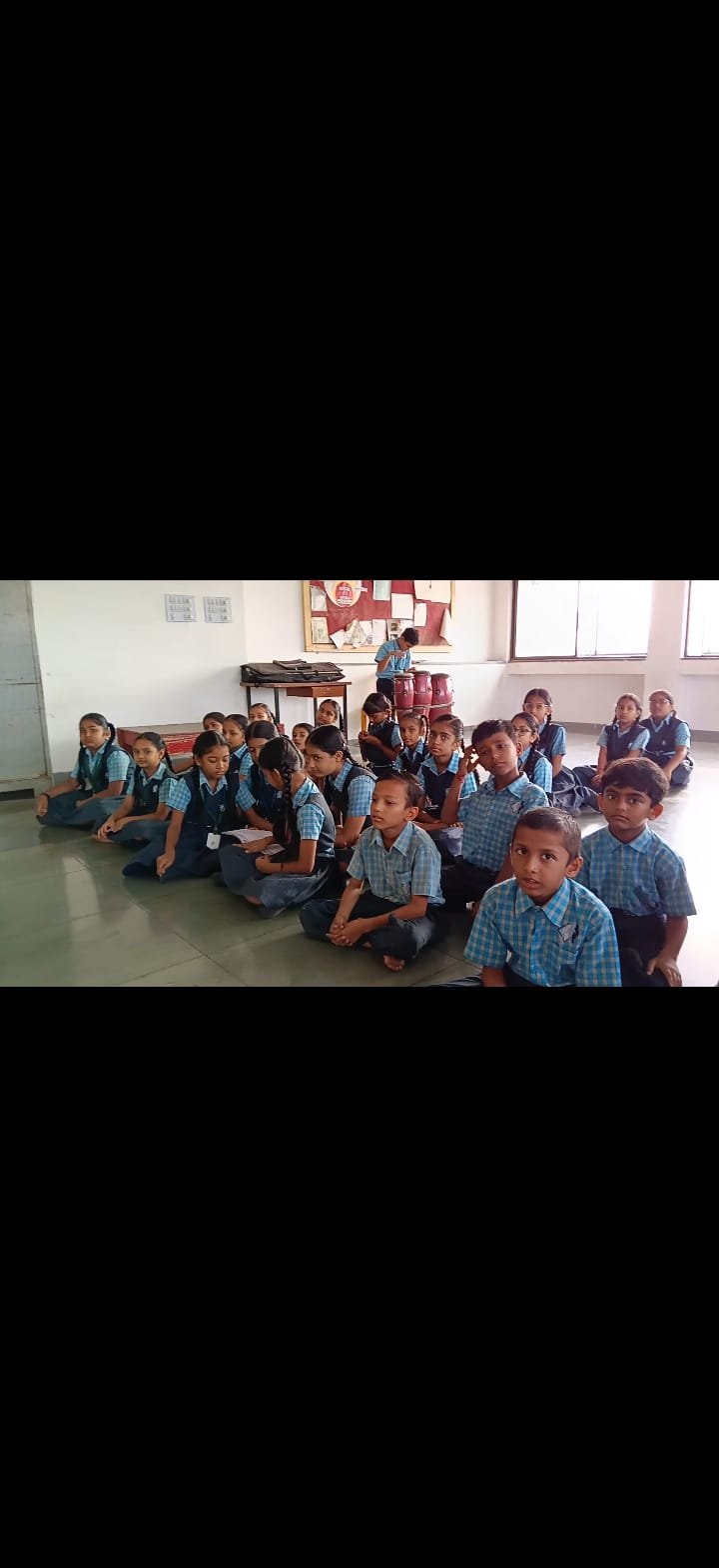
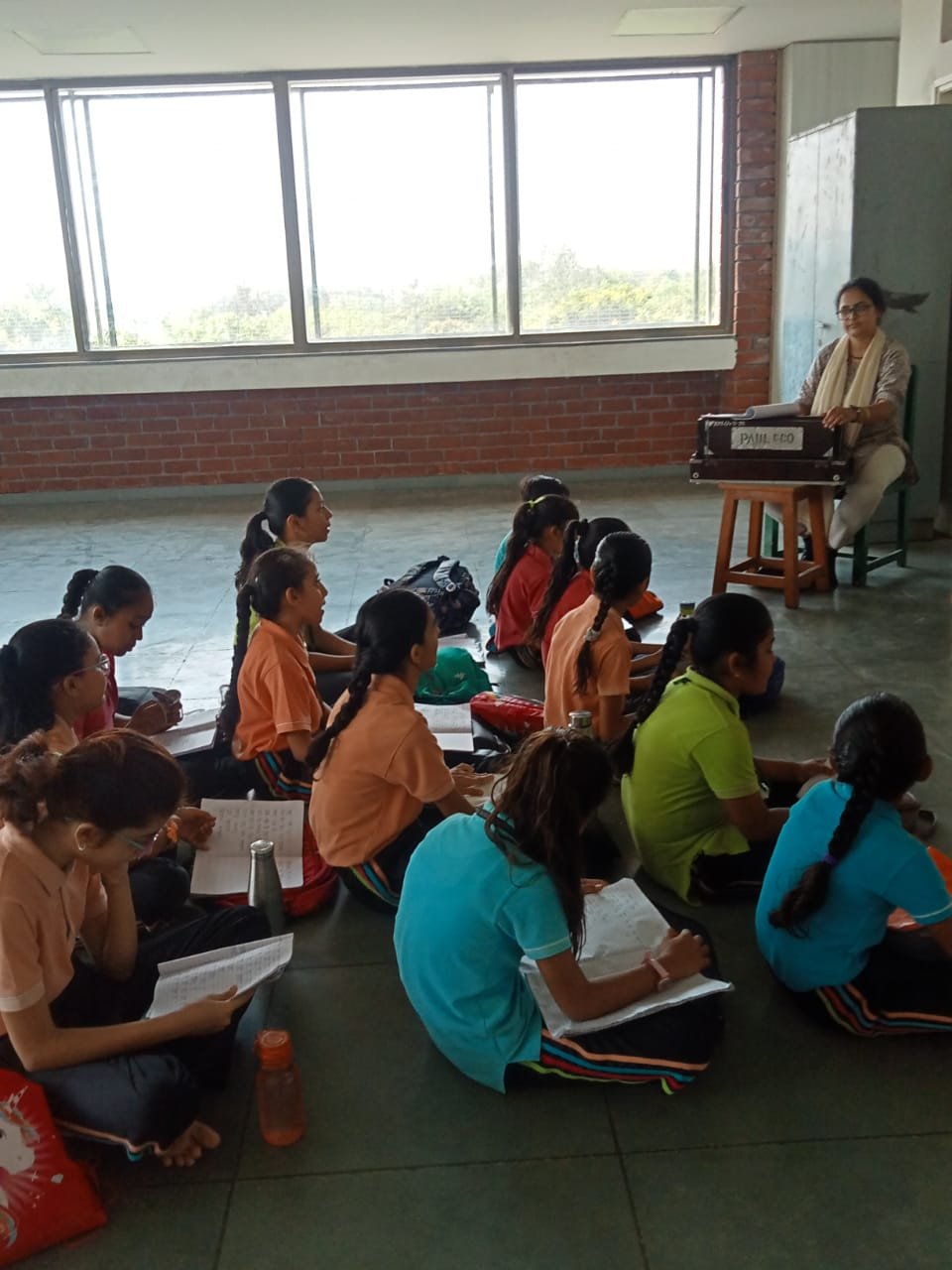
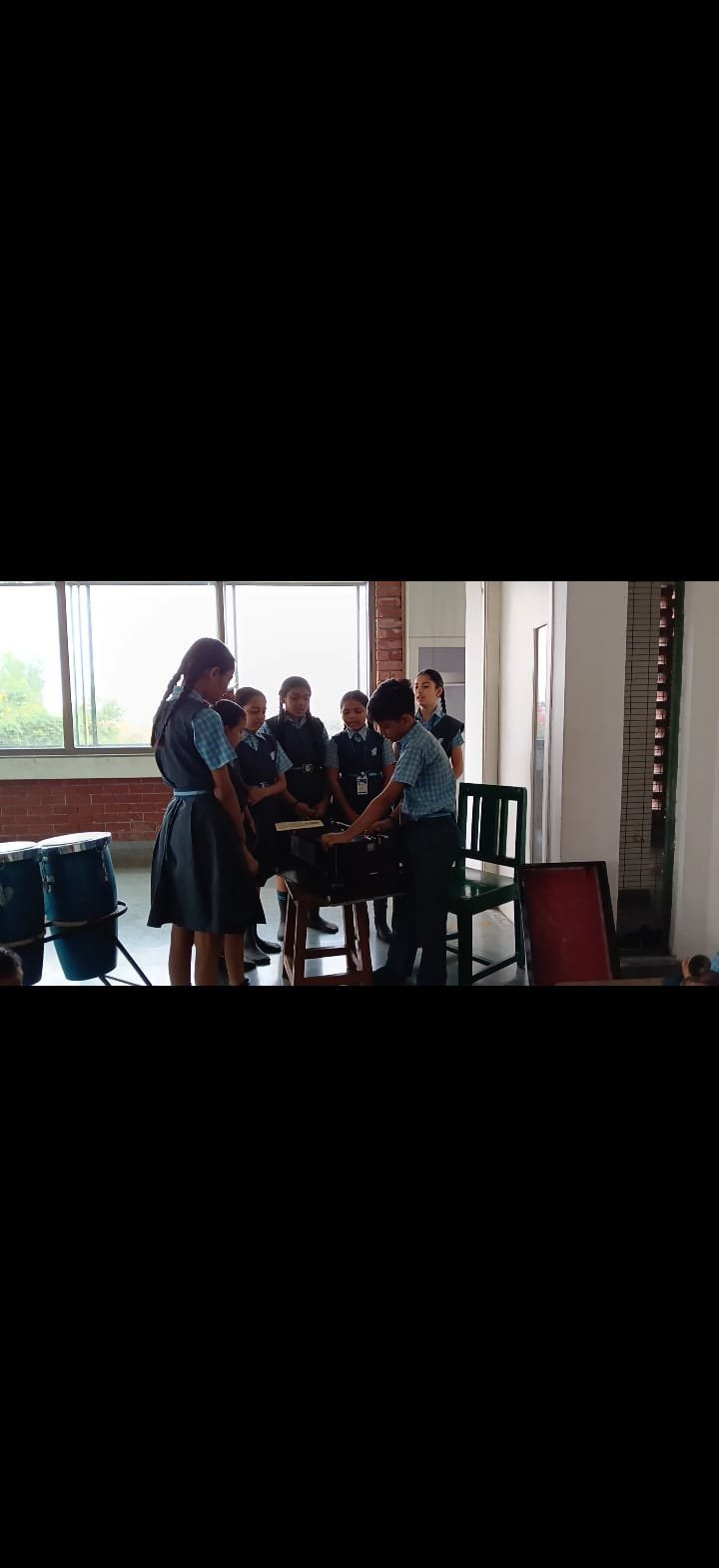
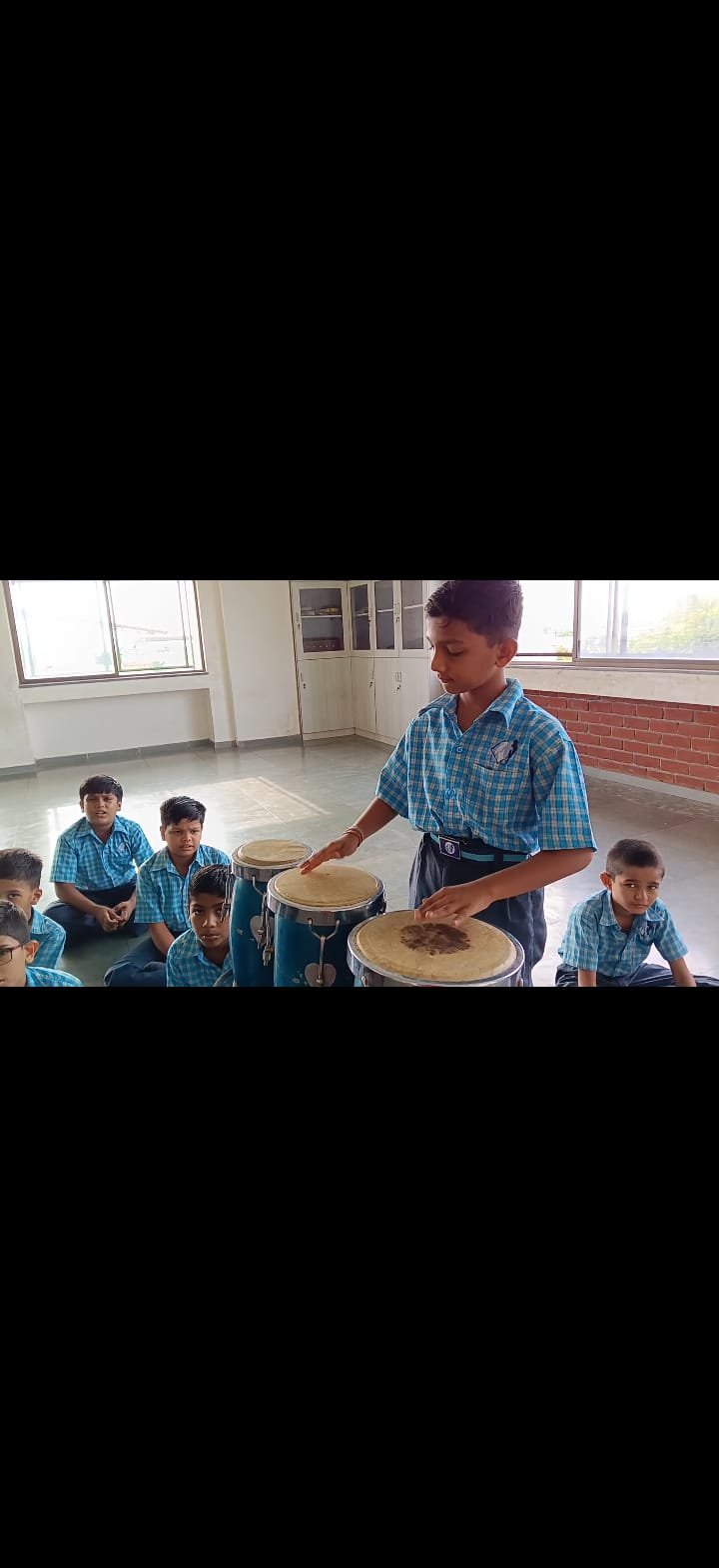
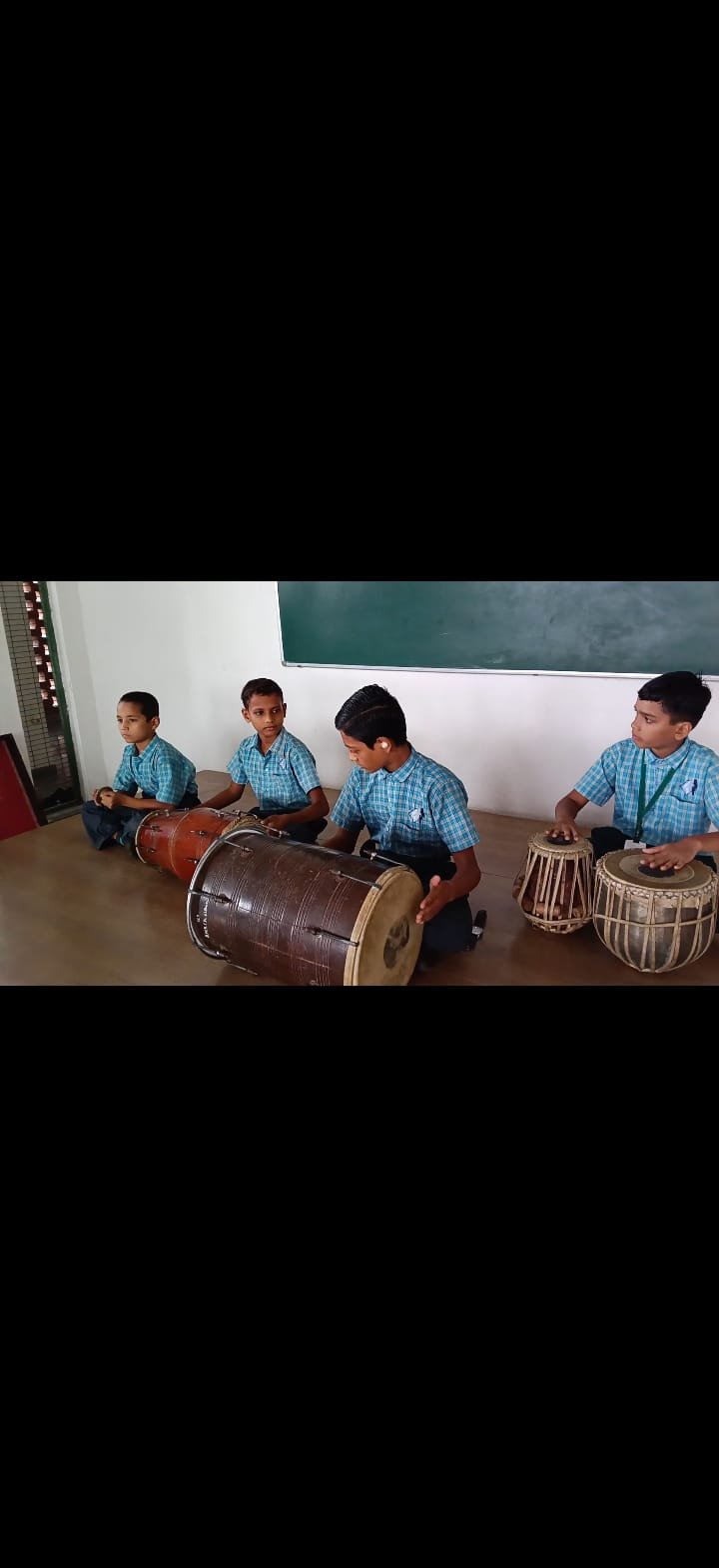
The Music Room is a creative and enriching space designed to develop students' interest and skills in music. It provides students with opportunities to learn, practise, and perform music in a supportive and disciplined environment.
Read More ↓MUSIC ROOM
Instrumental Learning: Students are introduced to musical instruments such as keyboard, tabla, harmonium, drums, and other available instruments.
Vocal Training: Students develop their singing skills through practice in voice modulation, rhythm, pitch, and pronunciation.
Indian and Western Music: Students may be exposed to different forms and styles of music to broaden their musical understanding.
Regular Practice: Dedicated practice sessions help students improve their confidence, coordination, rhythm, and performance skills.
School Programmes: The music room supports preparation for school functions, cultural programmes, assemblies, celebrations, and competitions.
Patriotic and Cultural Songs: Students learn songs that promote cultural awareness, national pride, and appreciation of India's musical heritage.
Group Activities: Choir and group performances encourage teamwork, cooperation, listening skills, and discipline.
Creative Expression: Music provides students with an opportunity to express their emotions and creativity in a positive manner.
Competitions and Performances: Students are encouraged to participate in inter-school and school-level musical activities according to their interests and abilities.
Overall Development: Musical activities contribute to concentration, confidence, creativity, communication, and appreciation of art and culture.
Overall: The Music Room provides a vibrant environment where students can discover their musical talents, develop confidence, and enjoy the discipline and creativity of music.
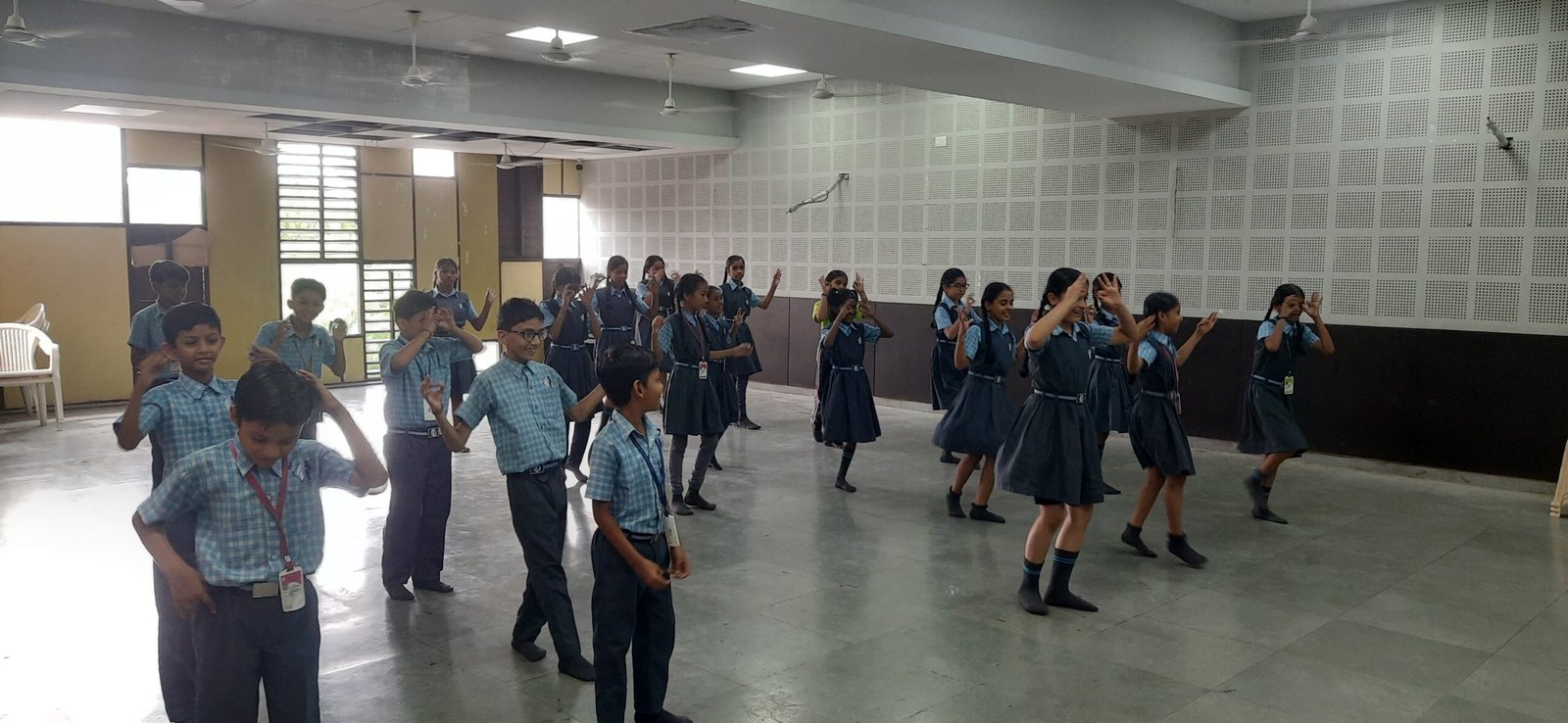
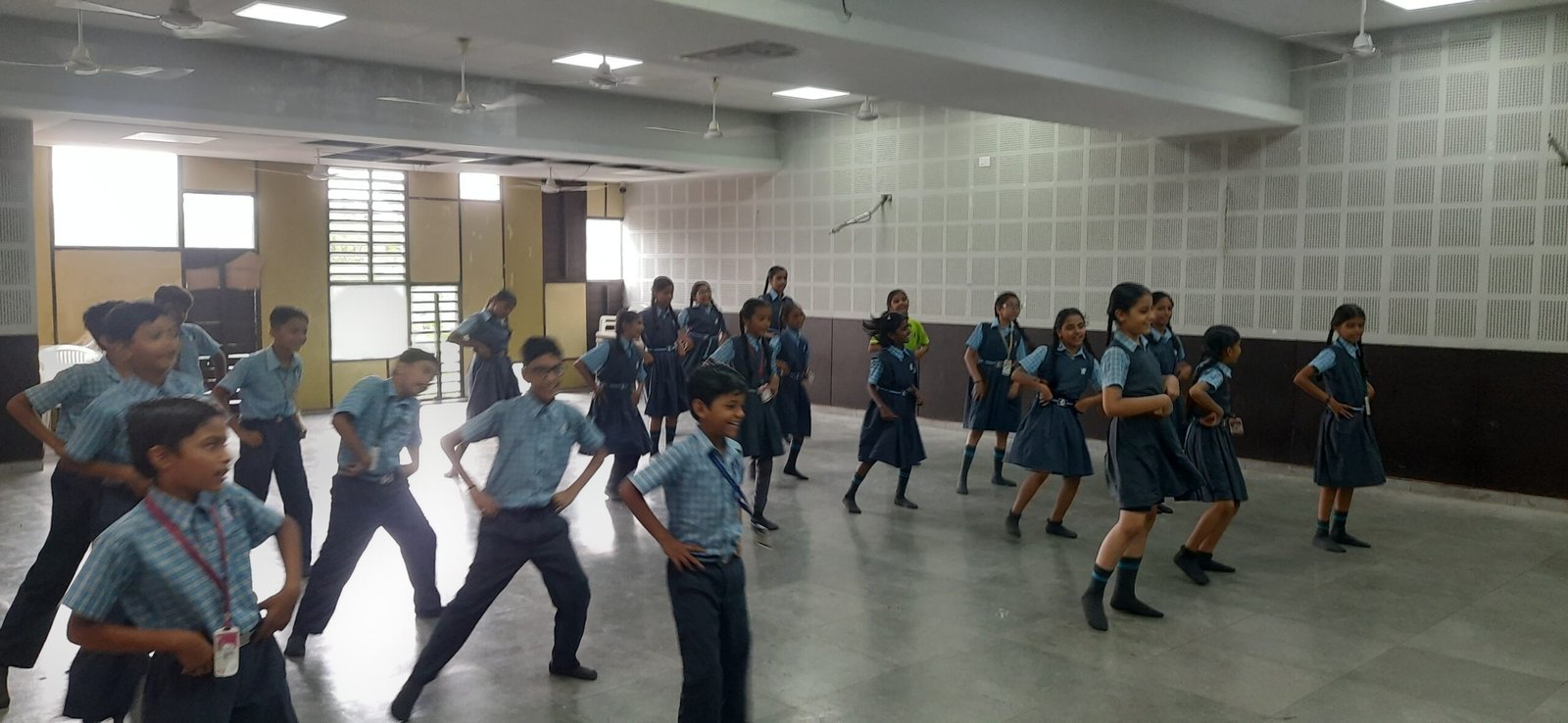
Dance Room
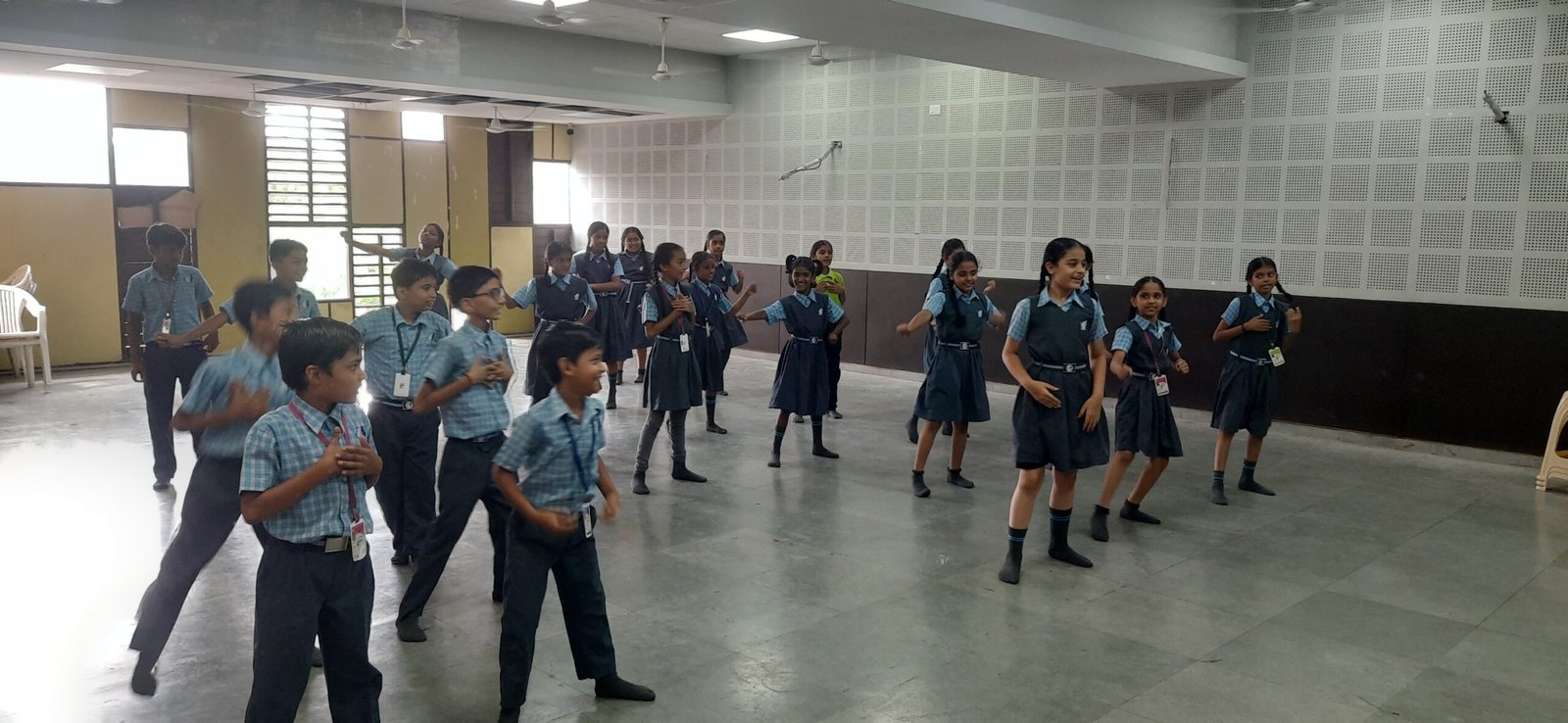
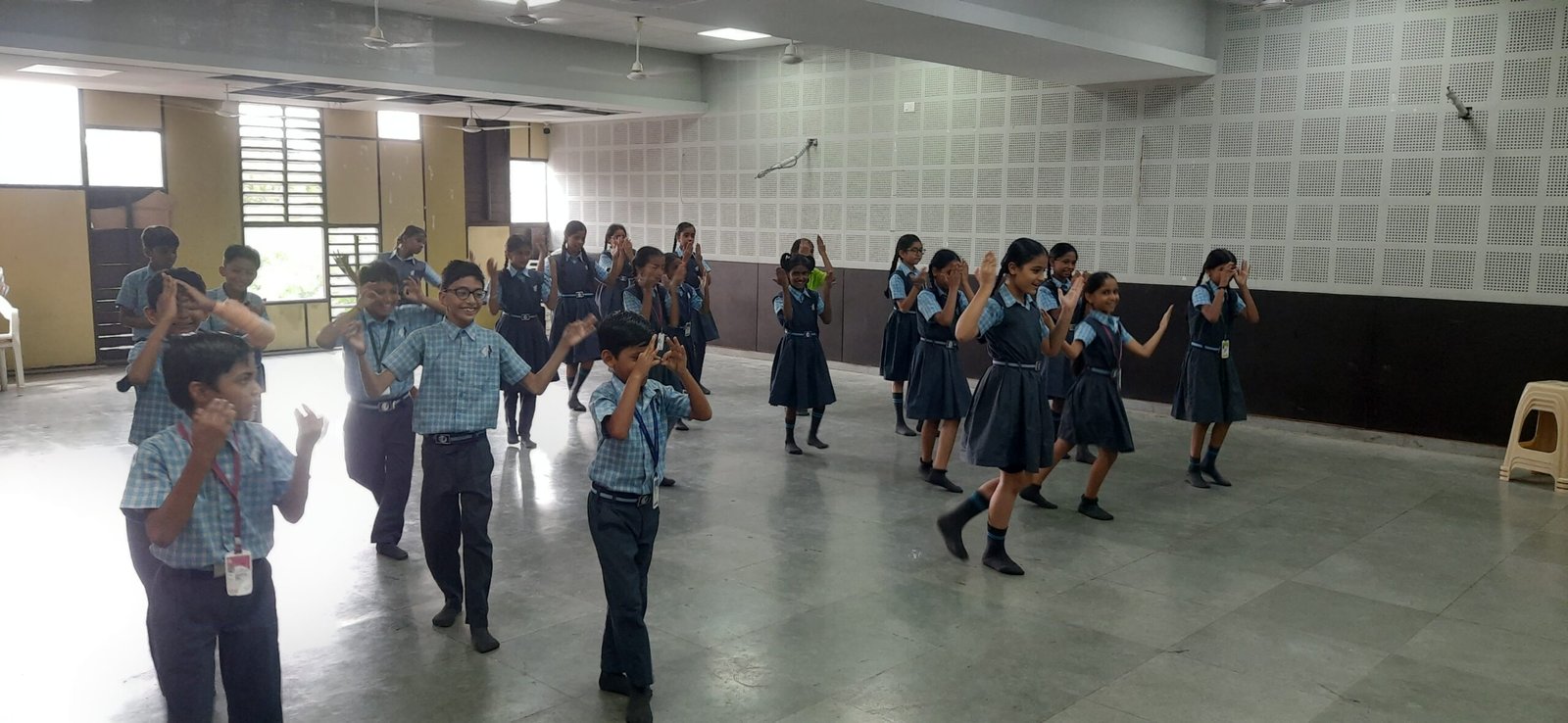
The Dance Room is a dedicated space that encourages students to explore dance as a form of creativity, expression, fitness, and cultural learning. It provides a safe and comfortable environment for students to practise different dance forms and develop confidence through performance.
Read More ↓DANCE ROOM
The Dance Room is a dedicated space that encourages students to explore dance as a form of creativity, expression, fitness, and cultural learning. It provides a safe and comfortable environment for students to practise different dance forms and develop confidence through performance.
Dance Training: Students are introduced to various Indian, folk, classical, and contemporary dance forms according to their age and interest.
Regular Practice: Dedicated practice sessions help students improve coordination, rhythm, flexibility, balance, and body movement.
Cultural Awareness: Students learn about India's diverse cultural traditions through folk and traditional dances.
School Programmes: The room is used for preparing students for annual functions, celebrations, national days, cultural programmes, and competitions.
Group Performances: Group dance activities develop teamwork, cooperation, discipline, and coordination.
Creative Expression: Dance provides students with an opportunity to express ideas, emotions, and creativity through movement.
Fitness and Well-being: Regular dance practice promotes physical activity, stamina, flexibility, and overall fitness.
Confidence Building: Performances and rehearsals help students overcome stage fear and develop self-confidence.
Use of Music and Technology: Suitable music and audio-visual resources can be used to support choreography and practice.
Talent Development: Students with an interest and aptitude for dance are encouraged to develop their skills and participate in suitable events and competitions.
Overall, the Dance Room provides a vibrant and creative environment where students develop artistic skills, physical coordination, confidence, discipline, and appreciation for India's rich cultural heritage.
AV Room
The Audio Visual Room is equipped with a television, tape-recorder, over-head projector, computer and LCD projector. These audio-visual aids help make teaching more effective, interesting and learning a multi-sensory process for students. Teachers use these to deliver lessons and screen educational films.
Science Lab
PE Room
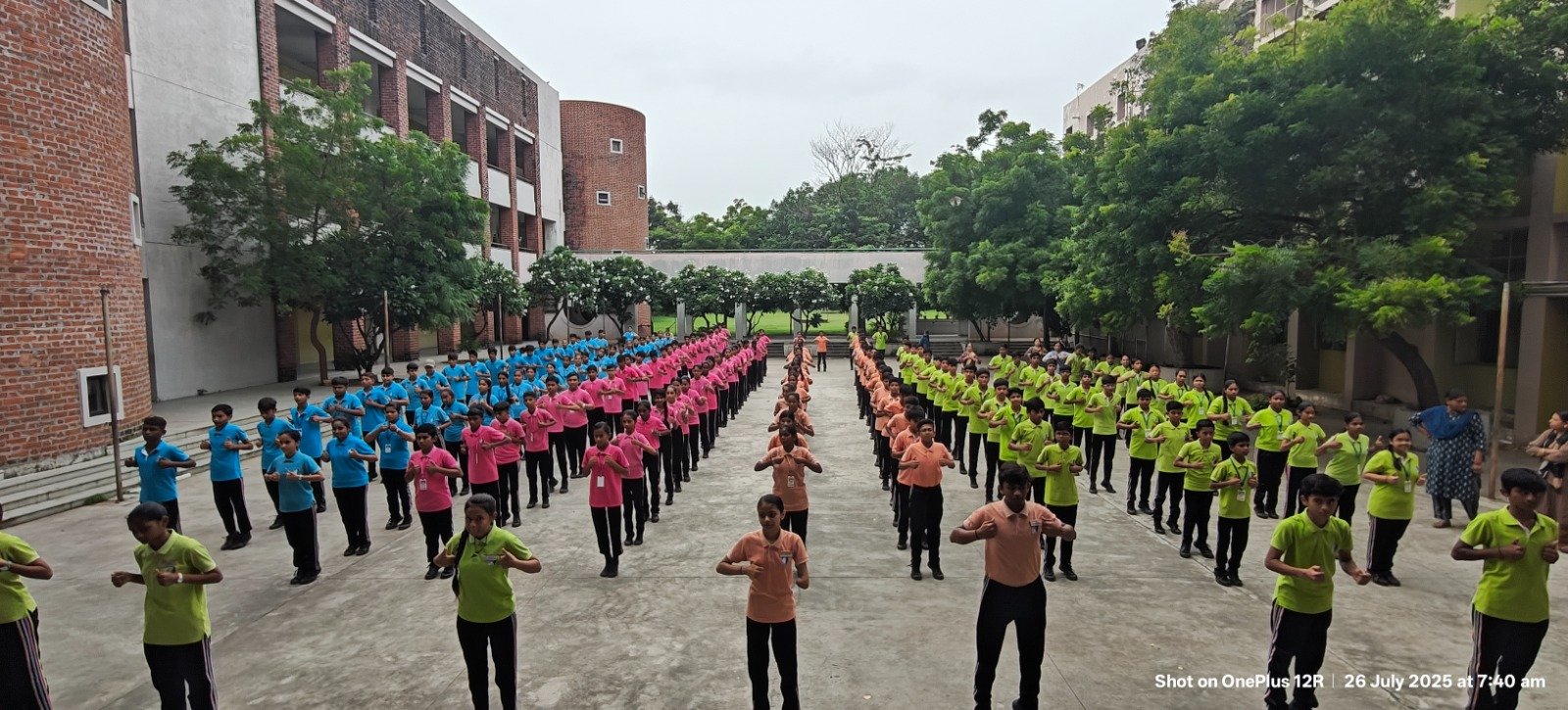
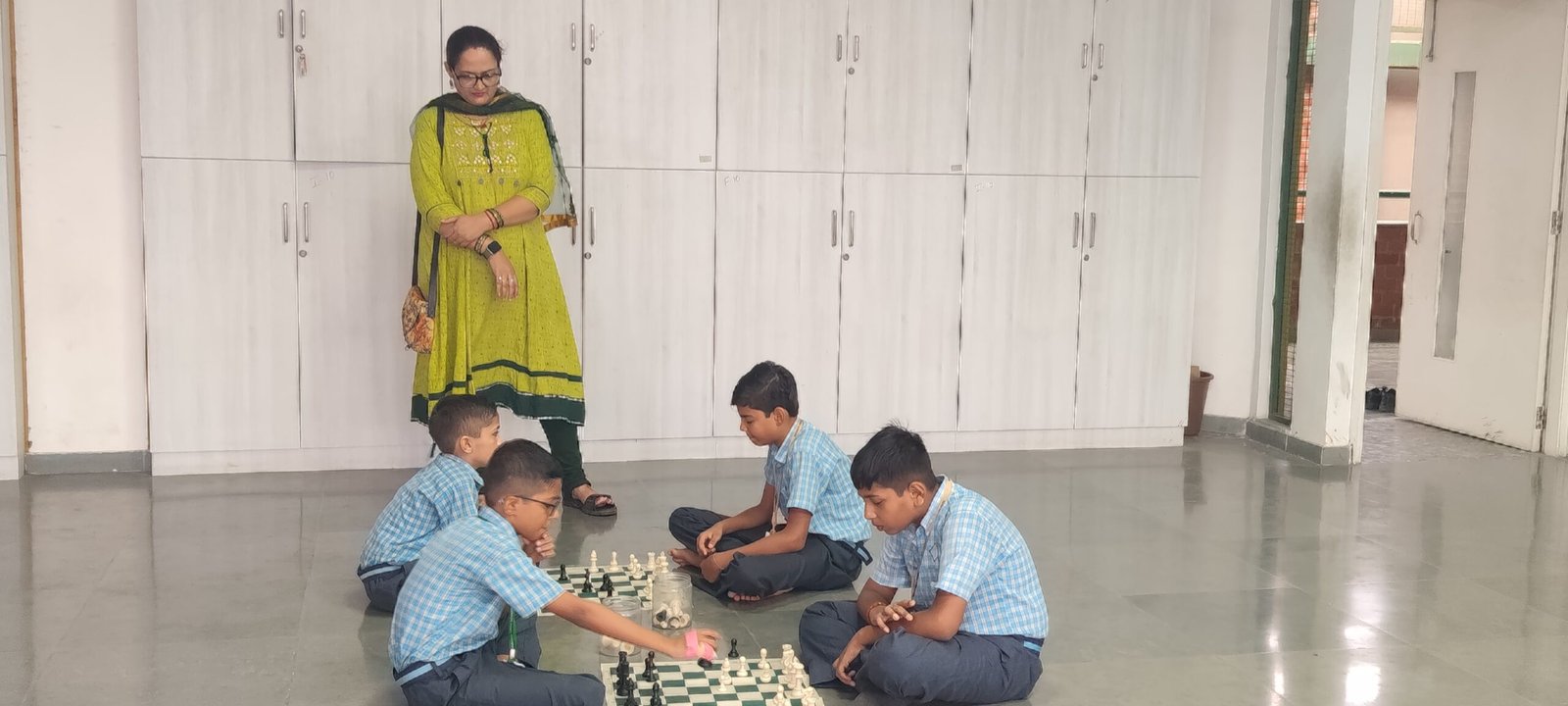
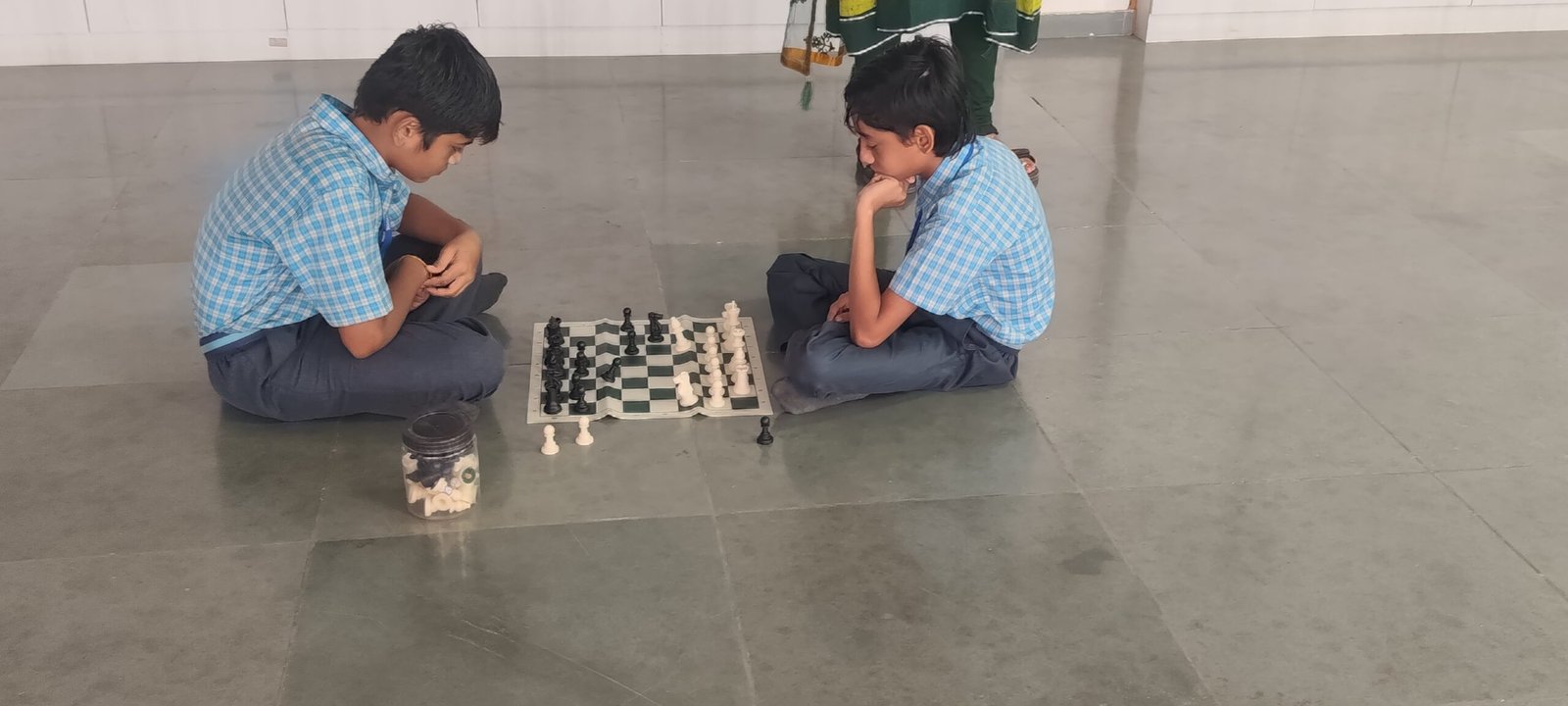
The Physical Education Room is an important facility that supports students' physical fitness, sports education, health awareness, and overall well-being. It provides resources and a structured environment for learning about physical activities, fitness, sports, and healthy habits.
Read More ↓PHYSICAL EDUCATION ROOM
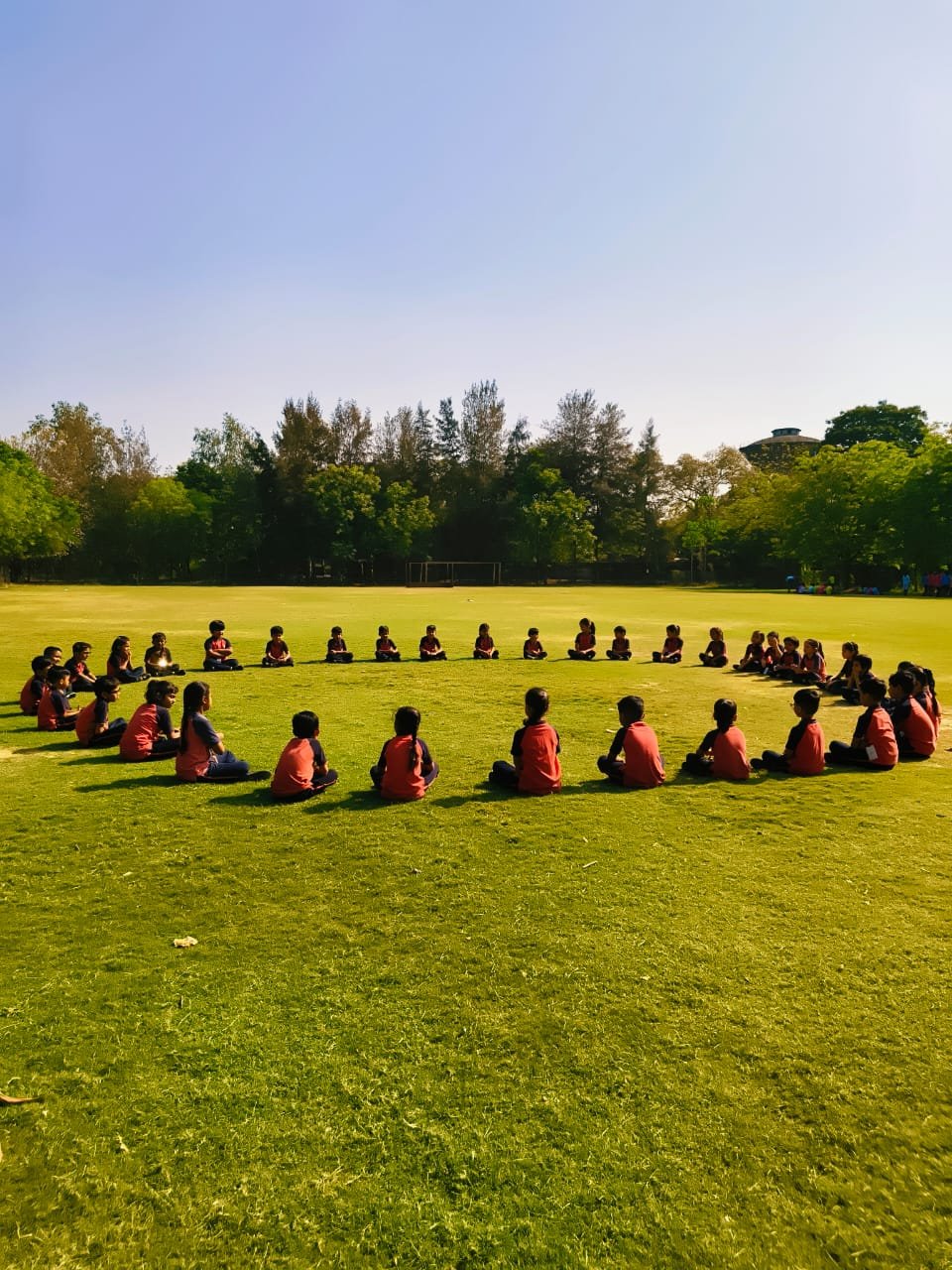
Sports Equipment: The room stores and manages equipment required for indoor and outdoor sports and physical activities.
Fitness Activities: Students are encouraged to participate in exercises that develop strength, flexibility, stamina, balance, and coordination.
Sports Education: Students learn basic rules, techniques, skills, and safety practices related to different sports.
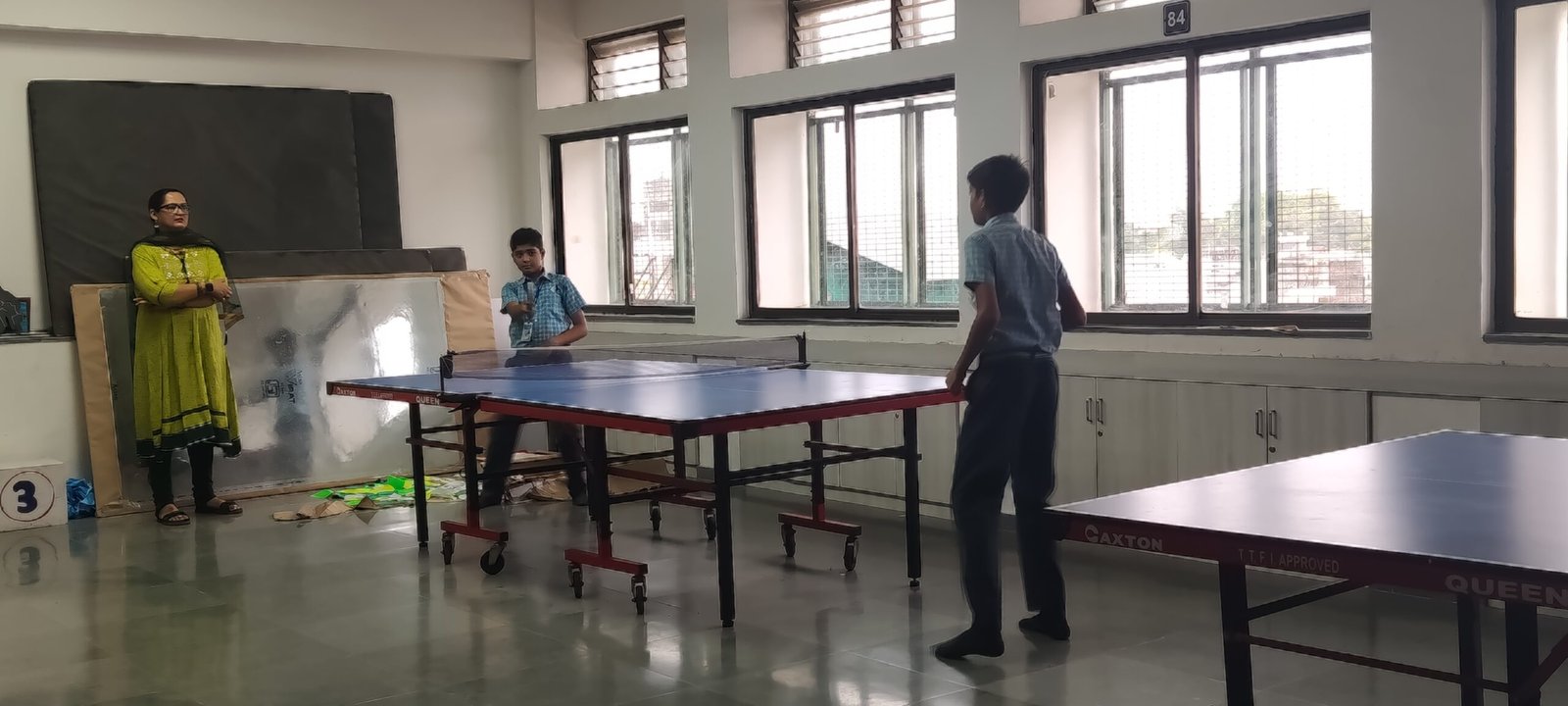
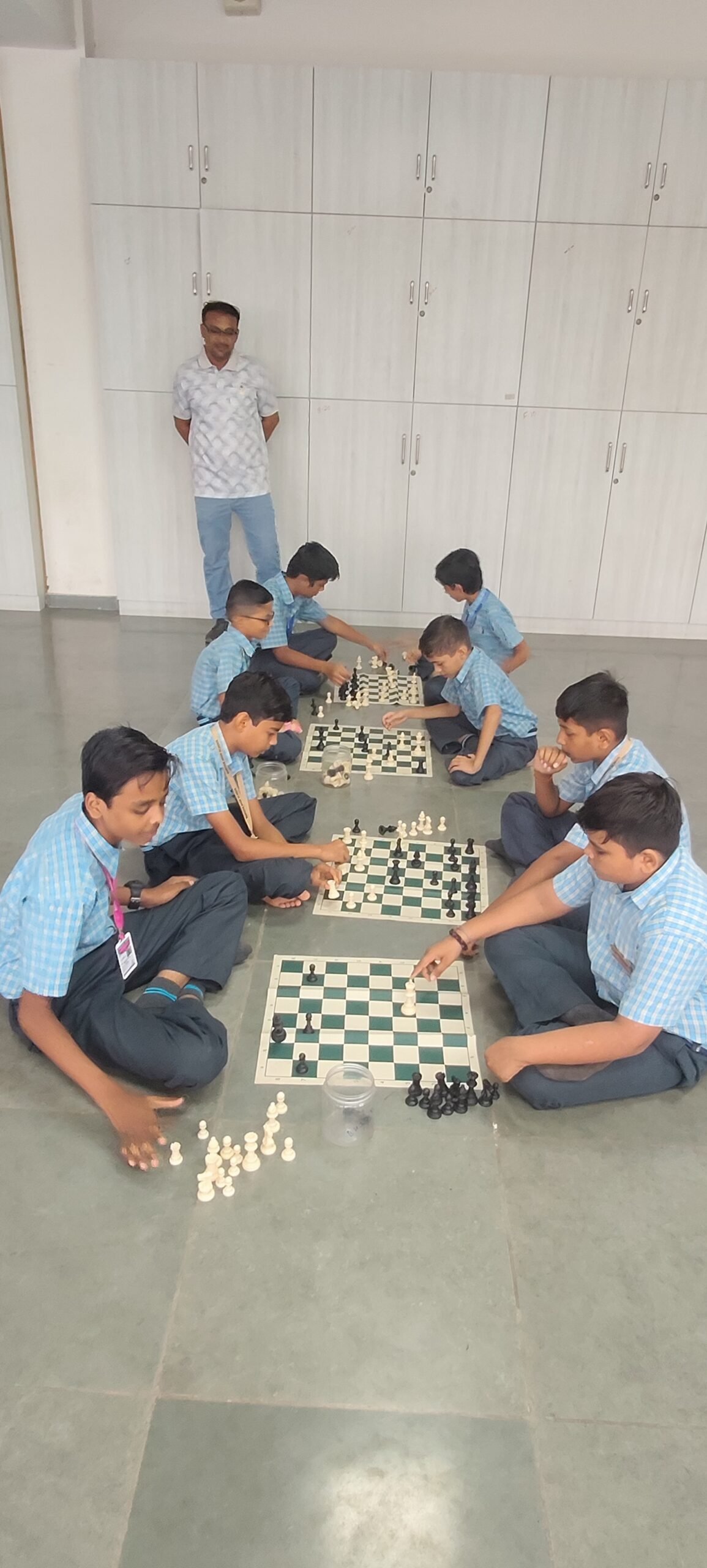
Indoor Activities: Space and equipment can support activities such as chess, carrom, table tennis, and other indoor games where available.
Sports Preparation: Students receive guidance and practice for school-level, inter-school, and other suitable sporting events.
Health and Fitness Awareness: Students learn the importance of regular physical activity, healthy habits, discipline, and personal fitness.
Teamwork and Sportsmanship: Group games help develop cooperation, leadership, discipline, communication, and respect for others.
Physical Fitness Assessment: Students' fitness and participation can be monitored through age-appropriate physical activities and assessments.
Safety and Discipline: Students are taught proper warm-up, correct use of equipment, sports etiquette, and safety precautions.
Holistic Development: Physical education contributes to students' confidence, concentration, emotional well-being, and healthy lifestyle habits.
Overall: The Physical Education Room supports the development of physically active, disciplined, confident, and team-oriented students while promoting the importance of fitness and healthy living.
Art & Craft Room
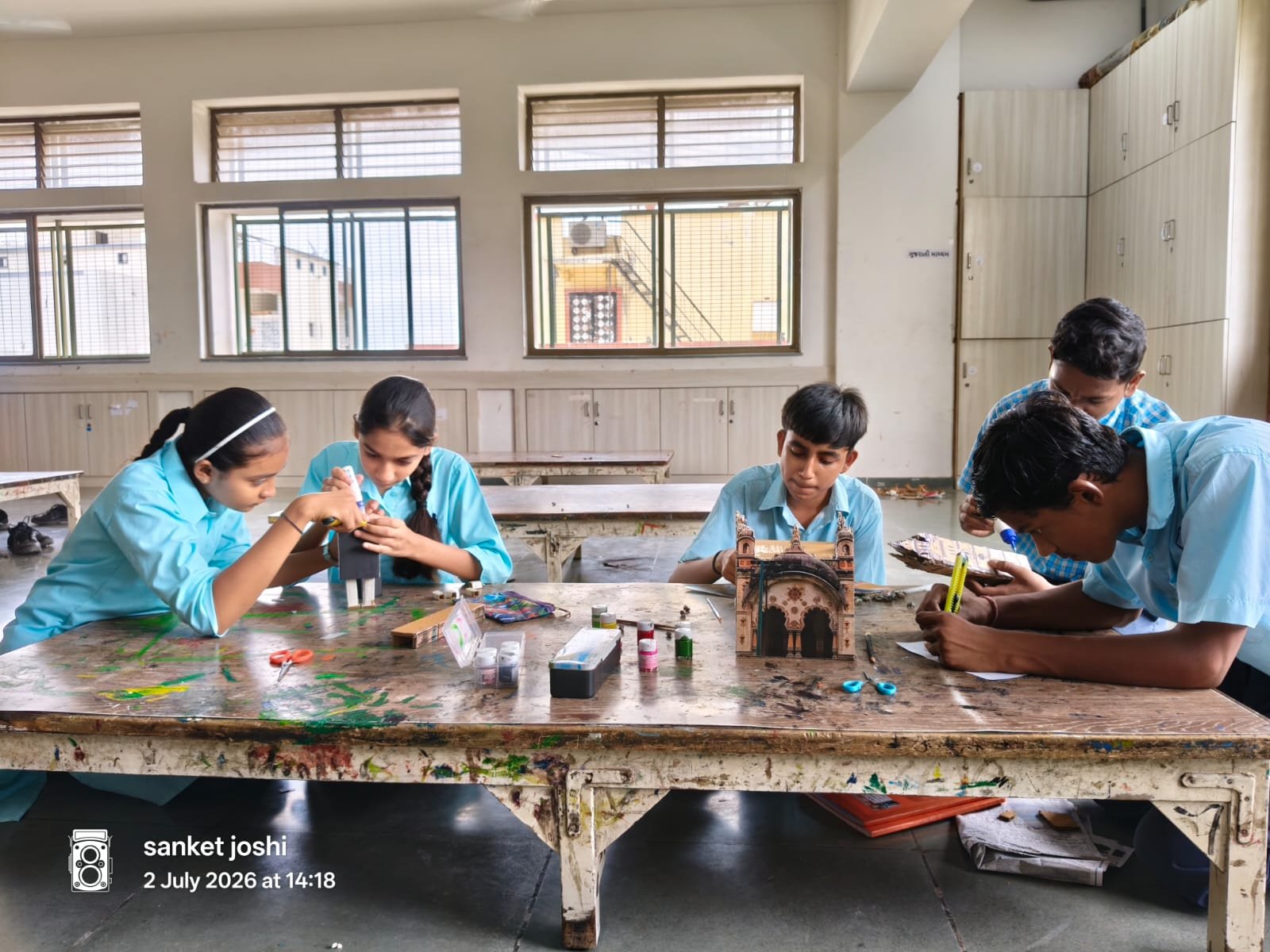
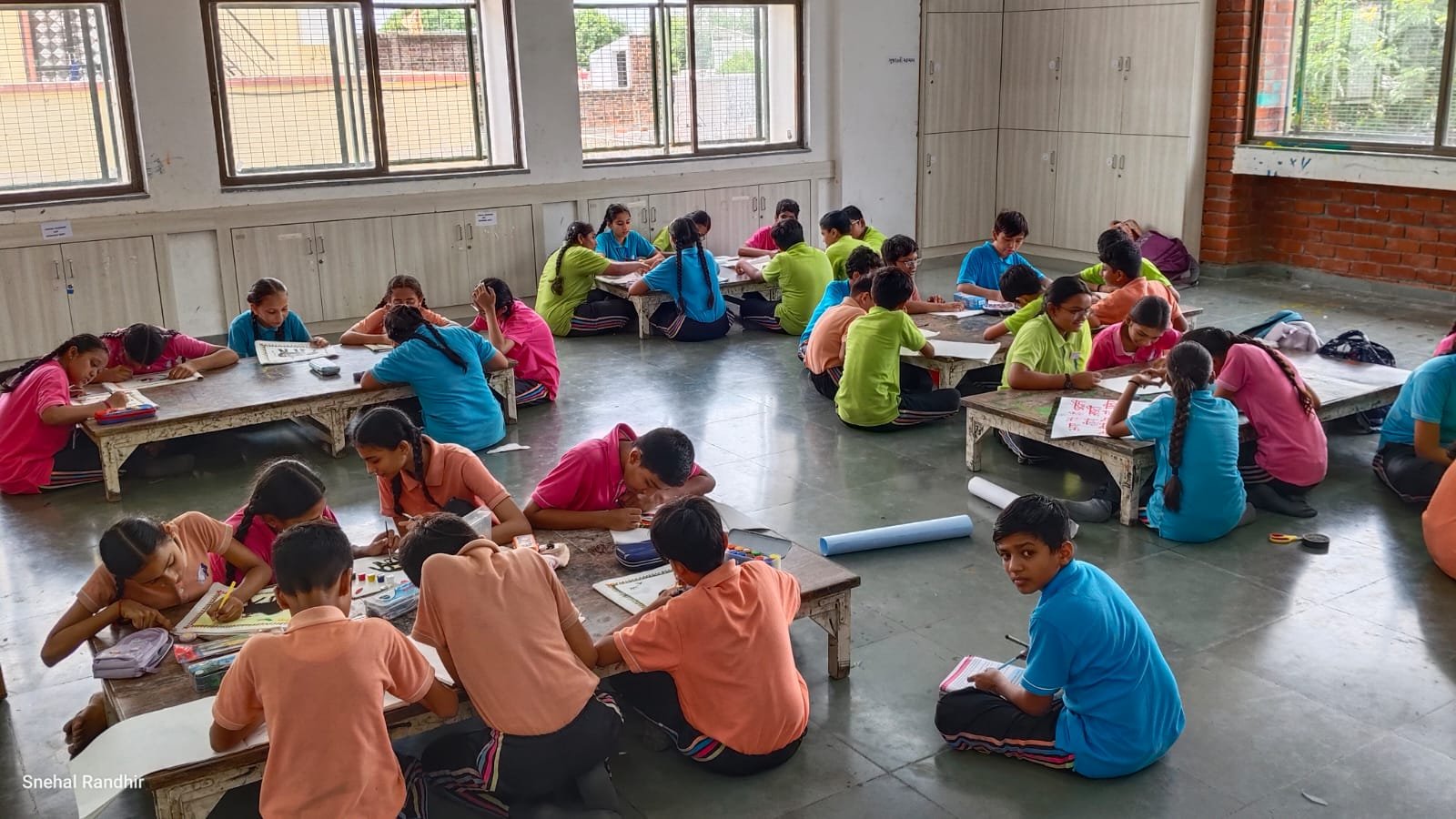
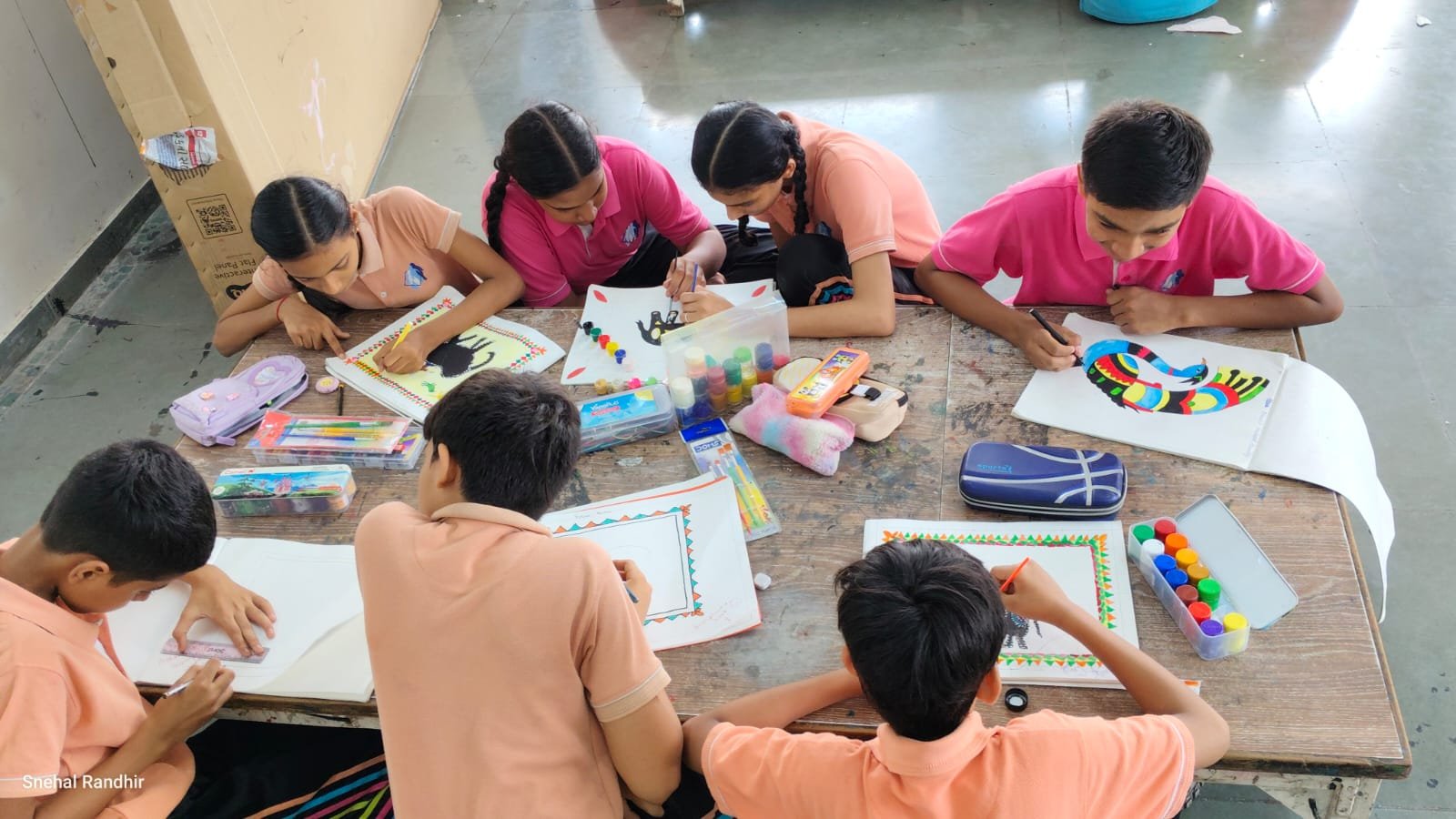
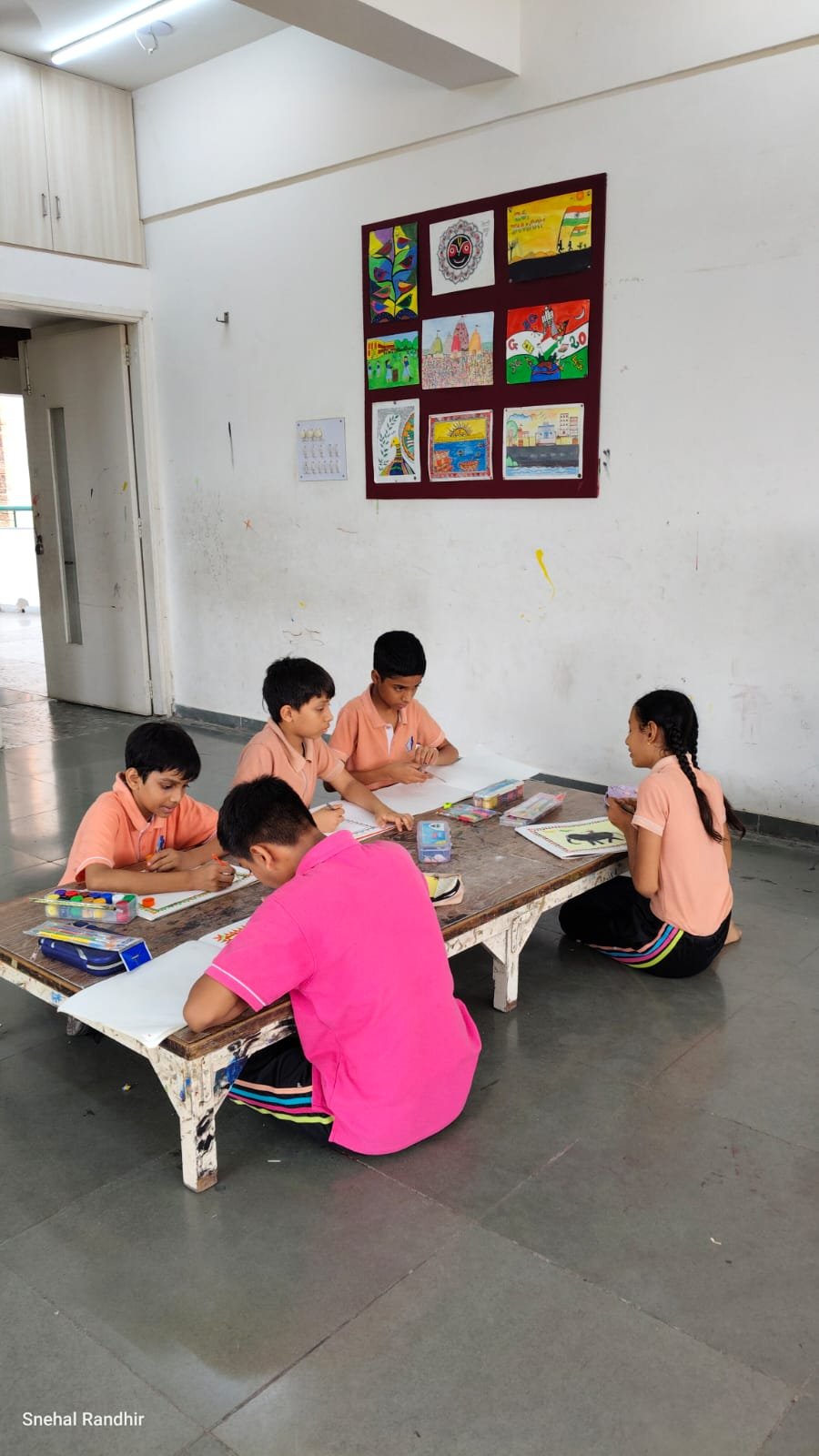
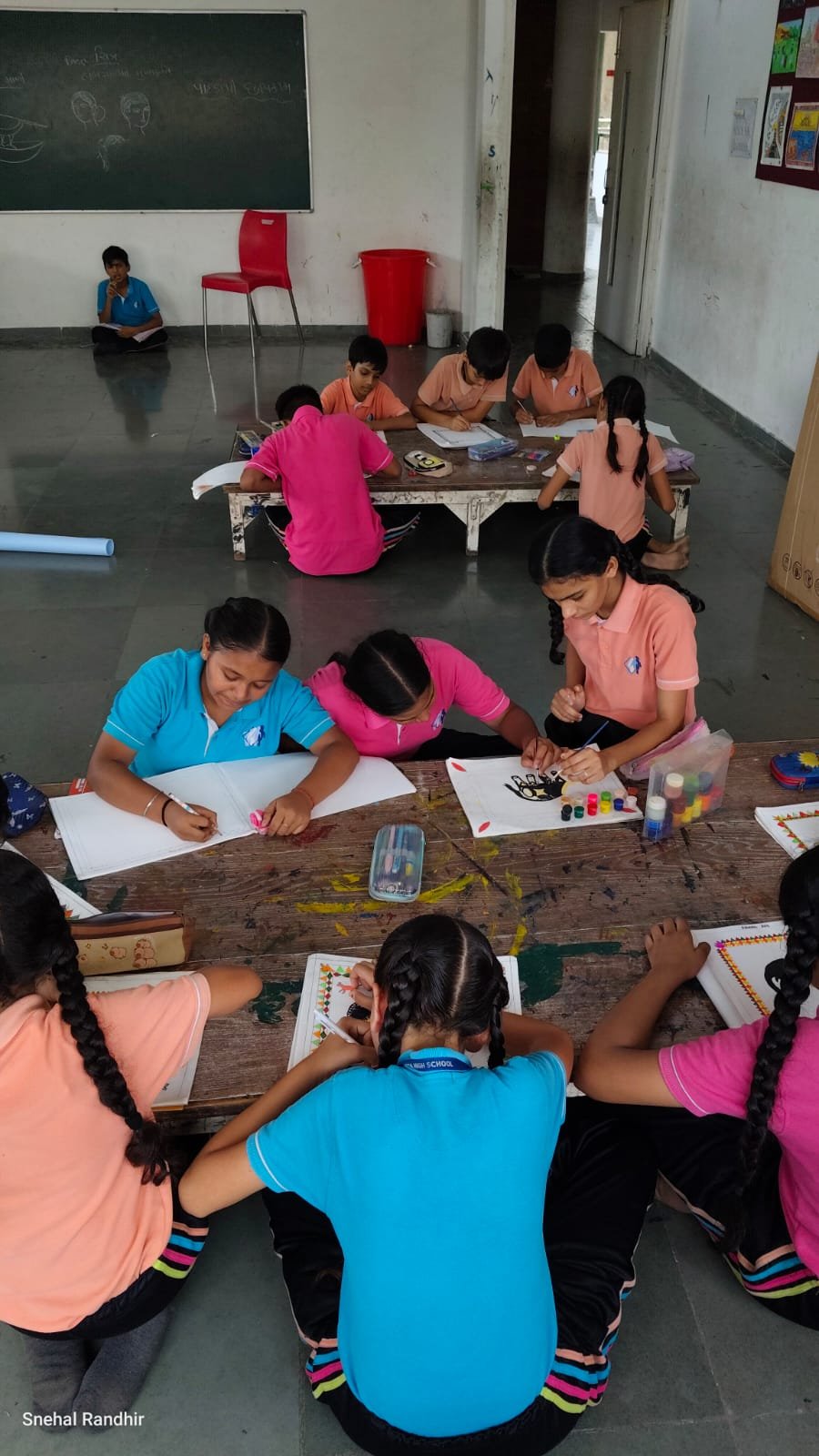
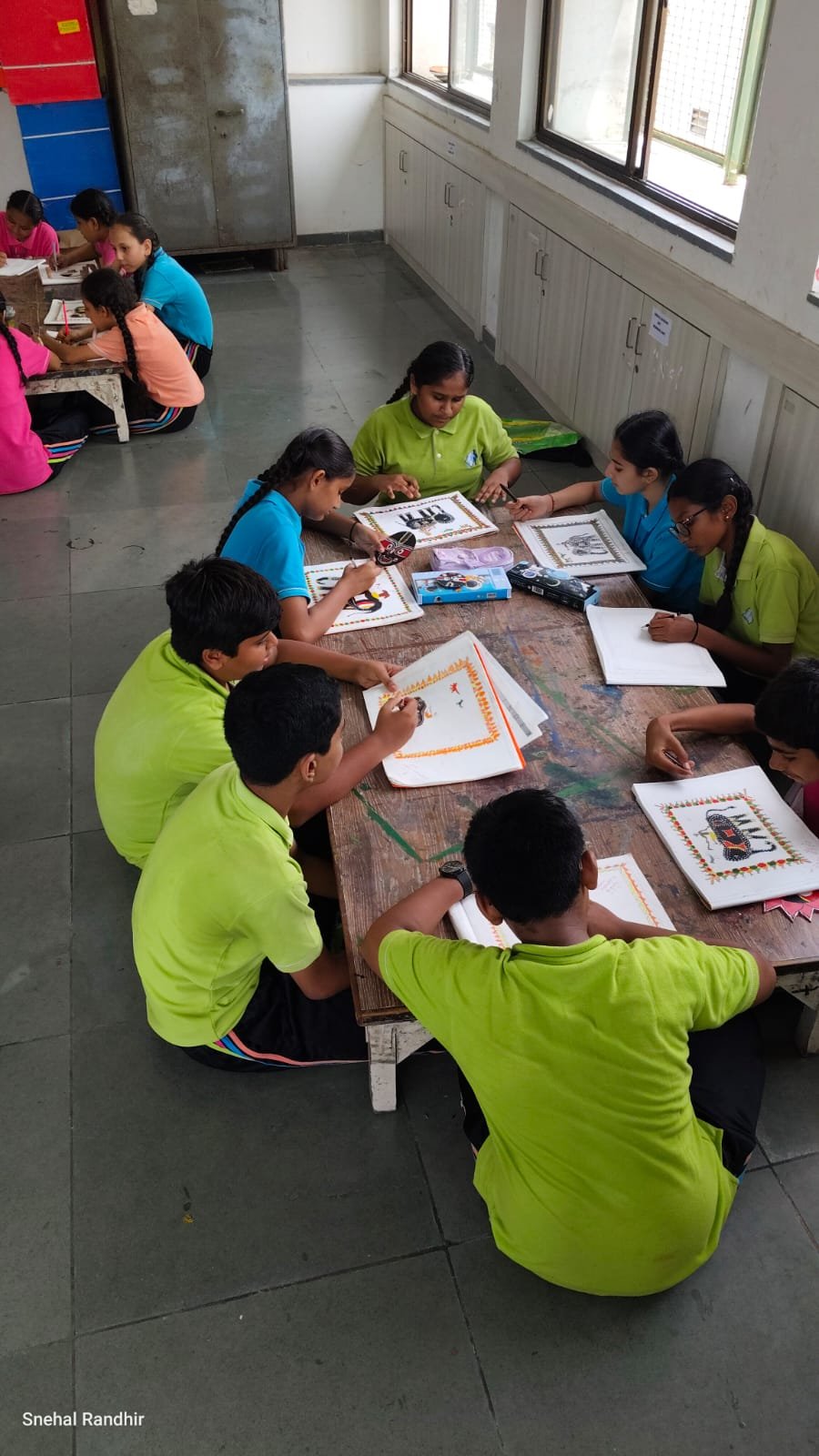
The Art and Craft Room is a creative learning space where students can explore their imagination, develop artistic skills, and express their ideas through different forms of art and craft.
Read More ↓ART AND CRAFT ROOM
The Art and Craft Room is a creative learning space where students can explore their imagination, develop artistic skills, and express their ideas through different forms of art and craft. It provides a stimulating environment that encourages creativity, patience, concentration, and self-expression.
Drawing and Painting: Students practise sketching, colouring, painting, and other visual-art techniques.
Craft Activities: Students create useful and decorative items using paper, cardboard, clay, fabric, recycled materials, and other resources.
Creative Expression: Students are encouraged to express their ideas, feelings, and imagination through artistic work.
Festival and Event Preparation: Students prepare creative displays, decorations, greeting cards, posters, and exhibits for school celebrations and special occasions.
Exhibitions: Students' artwork can be displayed through classroom and school-level exhibitions to appreciate their creativity and efforts.
Project-Based Learning: Art and craft activities are integrated with academic subjects wherever appropriate to make learning more engaging.
Recycled-Art Activities: Students learn to creatively reuse suitable waste materials, promoting environmental awareness.
Skill Development: Activities improve fine-motor skills, hand-eye coordination, observation, concentration, and patience.
Individual and Group Work: Students work independently as well as collaboratively, developing teamwork and communication skills.
Talent Development: Students with a special interest in art are encouraged to develop their skills and participate in appropriate competitions and events.
Overall, the Art and Craft Room provides students with a vibrant platform to discover their artistic talents, develop creativity and practical skills, and appreciate art and culture.